Here at our counter, the first cold snap of autumn always brings the same question. Folks walk in holding a thick winter parka, wondering if it will keep them comfortable on a four-hour climb up the ridge. Our answer is usually gentle, but clear: if you wear that heavy coat while walking uphill, you will end up soaked in sweat within twenty minutes, and dangerously chilled the moment you stop for lunch. Winter hiking is rarely about wearing the heaviest single garment you own. Instead, it is about creating an adjustable system that adapts as your body works, rests, and faces the wind.
We learned this the hard way over decades of roaming northern tracks in sub-zero air. Cold-weather hiking requires you to think of your clothes as moving parts of an engine rather than a static blanket. In this guide, we walk you through how to combine layers, pick honest fabrics, and regulate your heat output so you can stay dry, warm, and safe from trailhead to summit.
The Principle of Thermal Balance While Moving
Your body produces an immense amount of heat when your legs are working against gravity. A hiker carrying a nine-kilogram pack on a modest incline can generate between 400 and 600 watts of heat energy. In freezing conditions, your goal is not to trap every bit of that warmth. Your real task is thermal balance, which means venting excess heat before you sweat, while retaining just enough warmth to prevent your muscles and core from cooling down.
The standard rule we share with every trail walker is to start your hike feeling slightly cool. If you step out of your car or off the train platform feeling warm and cozy, you are wearing one layer too many. Within five to ten minutes of steady walking, your internal furnace will fire up, and that mild chill will disappear. If you start out warm, that surplus heat quickly turns into moisture, which saturates your clothing and strips away its ability to insulate.
Thermal balance relies on three distinct layers working in harmony:
- A wicking base layer: Sits directly against your skin to pull sweat away before liquid water pools on your pores.
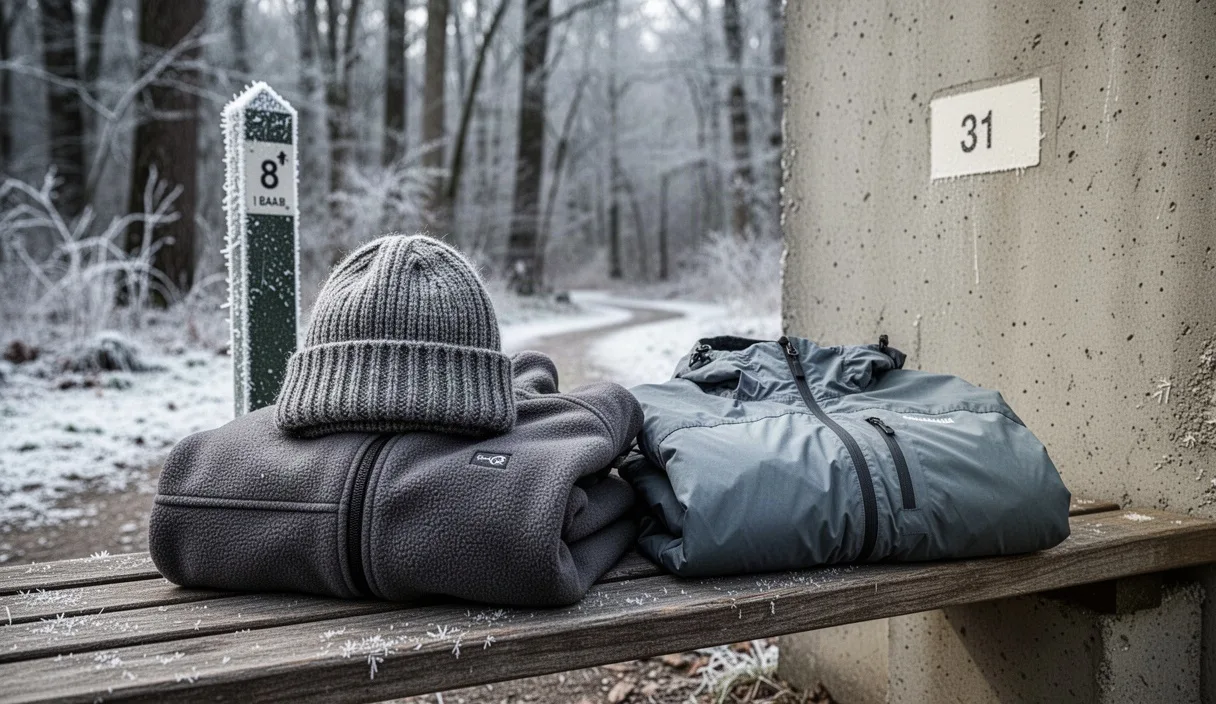
- A breathable mid-layer: Traps dead air warmed by your metabolism, letting vapor pass through outward.
- A weather-resistant shell: Blocks external moisture and biting wind while allowing internal vapor to escape.
Whenever trail conditions change, whether you duck into a sheltered birch forest or step onto an exposed granite col, your layers must shift too. Think of layering not as an outfit you put on in the morning, but as an ongoing conversation between your pace and the sky.
Picking the Right Base Layer Fabric
Everything starts against your skin. If your base layer fails to manage moisture, no jacket in the world can keep you warm later in the day. The golden rule of winter travel remains unchanged: leave cotton at home. Cotton fibers absorb up to twenty-seven times their weight in water and hold it against your skin, where it conducts heat away from your core twenty-five times faster than still air does. For genuine safety, your choice comes down to merino wool, synthetics, or a blend of both.
| Fabric Type | Weight (GSM) | Best Use Case | Drying Speed | Odor Resistance |
|---|---|---|---|---|
| Merino Wool | 150 to 200 | Mild cold, variable paces | Moderate | Excellent |
| Heavy Merino | 250 to 260 | Deep freezes, camp wear | Slow | Excellent |
| Polyester Grid | 120 to 180 | High output, steep climbs | Very fast | Low to moderate |
| Wool-Synthetic Blend | 180 to 220 | Multi-day treks, mixed effort | Fast | Good |
Merino wool shines on longer, steady trips because it can absorb around thirty percent of its dry weight in moisture vapor without feeling damp to the touch. It also resists bacteria naturally, making it pleasant for weekend trips where you sleep in your gear. However, once merino gets truly soaked from intense exertion, it takes longer to dry out on your body than synthetic fabrics.
Polyester and polypropylene do not absorb water into the core of their fibers. Instead, they transport moisture along the fiber surface, spreading it out so it evaporates rapidly into the next layer. If you naturally run hot or tackle steep, fast accents, a light polyester grid top is often the most reliable option. A blend containing roughly eighty percent merino and twenty percent synthetic fiber gives you a fine middle ground, combining the odor resistance of wool with the durability and drying speed of polyester.
Insulating Mid-Layers for Variable Temperatures
The job of your mid-layer is to trap air. Still air is an exceptional insulator, and mid-layers are designed to hold pockets of it against your core. What makes cold-weather hiking tricky is that the temperature swings you experience between walking and standing still can feel as wide as fifteen degrees Celsius. For that reason, relying on a single thick fleece is rarely practical.
We prefer splitting the mid-layer job into two categories: active insulation and static insulation.
- Active insulation: Garments you wear while your legs are moving. These include classic breathable fleeces (such as 100-weight polyester microfleece), grid fleeces, or jackets insulated with breathable synthetic fills like 40-gram or 60-gram continuous filament polyester. They allow wind to blow through easily, which means internal moisture escapes freely instead of gathering inside the fabric.
- Static insulation: Garments you pull out only during rest breaks, summit stops, or trailside lunches. Down jackets with a fill power of 700 to 850 or thick synthetic parkas belong in this camp. They trap maximum air, but if you hike in them, you will overheat in minutes.
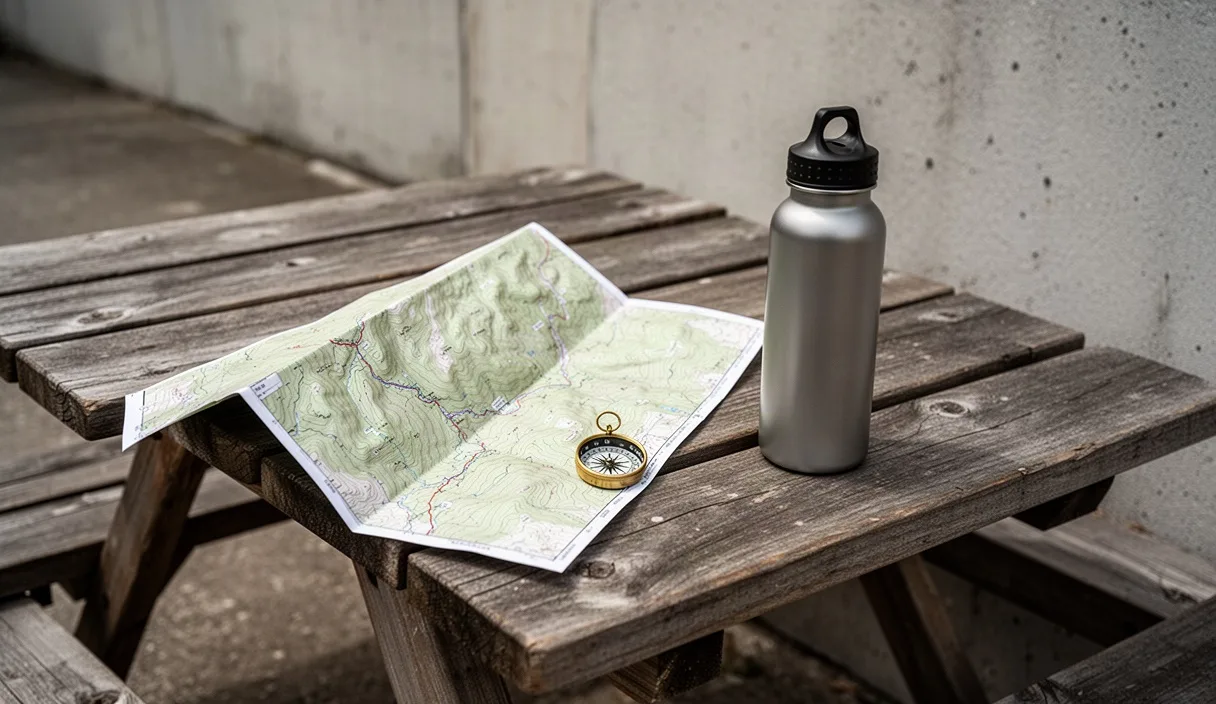
When you pack your rucksack in the morning, keep your static jacket near the very top of your pack, right beneath the lid. When you halt for a drink or to check your map, slip that warm coat directly over your active layers before your body heat dissipates. When it is time to shoulder your pack again, pack the static layer away before you take your first uphill step.
Windproof Outer Shells That Still Breathe
Wind is the quiet thief of body heat. A gentle breeze of twenty kilometers per hour can drop an ambient temperature of minus two degrees down to a real-feel reading of minus eight. Your outer shell acts as your shield against that convective cooling, but it must be chosen with care.
Many hikers immediately reach for a heavy, three-layer waterproof hardshell jacket. While hardshells are essential for freezing rain, wet sleet, or heavy maritime snow, they have low breathability during high exertion. Under dry cold conditions, a dedicated softshell jacket or a tightly woven windshirt is far more comfortable. A quality windshirt made from calendared nylon blocks around eighty to ninety percent of wind chill while offering several times the air permeability of a waterproof membrane. That air flow keeps condensation from forming on the inside of your jacket.
If nasty weather forces you to wear a waterproof hardshell, look for specific mechanical ventilation features:
- Underarm pit zips that open at least thirty centimeters to vent heat directly from your torso.
- Two-way front zippers so you can open the jacket from the bottom upward while keeping the collar zipped around your neck.
- Adjustable cuff tabs that can be loosened over gloves to promote airflow along your forearms.
- A stiffened hood brim with volume adjusters to keep icy gusts from whipping across your cheeks.
Remember that waterproof membranes rely on a clean face fabric to breathe properly. If your shell is coated in trail dirt or camp smoke, water drops will stop beading and will flatten out against the nylon. Once that happens, moisture vapor inside the jacket cannot escape, leaving your mid-layers damp from your own sweat.
Protecting Fingers and Ears from Cold Winds
Your extremities are the first areas your body sacrifices when core temperatures drop. To protect vital organs, your circulatory system narrows blood vessels in your hands, feet, and ears. Because of this natural response, cold hands are often an early warning that your torso is getting chilly, not just that your gloves are too thin.
We recommend a modular system for your hands rather than one heavy pair of ski gloves:
- Contact liner gloves: Thin merino wool or power-stretch fleece liners (weighing around 30 to 45 grams). Wear these while hiking uphill, adjusting pack buckles, or holding trekking poles. They keep your bare skin off frozen metal surfaces.
- Windproof outer mittens: Oversized, insulated mittens or wind-resistant shells that slide directly over your liner gloves. Mittens keep your fingers gathered together, which preserves far more heat than gloves with separate finger slots.
- A spare pair of liners: Always store a dry second set in a sealed plastic pouch inside your pack. If you slip in deep snow or get your first pair wet, cold wet liners will chill your hands rapidly.
For your head and ears, carry both a light beanie and a wool neck gaiter. A large amount of blood flows close to the skin surface along your carotid arteries and neck. Pulling a simple circular knit gaiter up over your chin and ears seals the draft collar of your jacket, preventing heat from pumping out with every stride. When climbing hard, swapping a thick wool hat for a light headband keeps your ears warm while letting excess heat escape from the crown of your head.
Managing Sweat Production on Steep Inclines
Moisture is the primary hazard in winter wilderness travel. Once liquid water enters your insulation, it conducts heat away from your skin rapidly. Managing sweat production requires deliberate discipline on the trail. You cannot wait until your back is dripping wet to make adjustments.
Here is the rhythm we follow whenever a trail pitches upward:
First, anticipate the hill before you start climbing. As soon as you see the trail contouring steeply ahead, stop for thirty seconds. Strip off your wind shell or your mid-layer fleece while you are still cool. Do not wait until you are halfway up the slope with sweat running into your eyes. It is far easier to stay cool than it is to dry out damp clothing in freezing air.
Second, establish a sustainable, conversational walking pace. Cold-weather hiking is not an athletic sprint. If you find yourself breathing through your mouth or unable to speak a complete sentence without gasping, slow your stride down. Shorten your steps, plant your heels firmly, and use trekking poles to transfer part of the climbing load to your upper body.
Third, use mechanical vents early and often. Drop your jacket zipper by ten centimeters, undo your wrist cuffs, or slide your gloves into a pocket. Small adjustments made every fifteen minutes prevent the massive heat spikes that trigger heavy sweating. If your hands get slightly chilly while your chest is hot, that is a normal, healthy balance while climbing.
Common Mistakes to Avoid
Over the years, we have seen good hikers run into real trouble from simple, avoidable layering oversights. Keep these points in mind when packing your kit:
- Wearing all your layers at the trailhead: You will overheat within five hundred meters and dampen your core layers before the hike has truly begun.
- Leaving wet clothes on during long breaks: If your base layer gets saturated, pull on your heavy static coat immediately when you stop, or change into a dry spare top if you plan to camp.
- Skipping glove liners: Touching frozen trekking pole levers, metal tent stakes, or ice axes with bare skin can lead to cold-induced skin injury within seconds in bitter winds.
- Forgetting to drink cold water: You breathe out large amounts of moisture in dry, cold air. Dehydration reduces blood volume, which makes it harder for your heart to pump warm blood to your fingers and toes.
Practical Next Steps for Your Next Outing
Before you tackle a remote mountain trail in sub-zero weather, test your layering system in a low-risk environment. Pick a local hill or a familiar woodland loop near home on a frosty morning. Pack your gear into your daypack, practice stripping layers at the base of a rise, and see how your body responds to ten minutes of sitting still in the cold.
Take an honest inventory of your current wardrobe. Check the labels on your base layers to verify they contain no cotton or cellulose fibers like rayon and modal. Inspect your outer shell to ensure the zippers move smoothly with gloved hands, and treat the fabric with a wash-in water repellent if water stops beading on the surface.
Cold-weather walking is one of the most rewarding pursuits in the outdoors. The trails are quiet, the air is crisp, and the views open up through bare trees. With a thoughtful, layered system on your back, you can step out into freezing winds with calm confidence, knowing you have the tools to keep yourself warm, dry, and safe all day long. If you have underlying circulation issues or heart conditions, consider checking with a medical professional before taking on strenuous climbs in freezing conditions.