
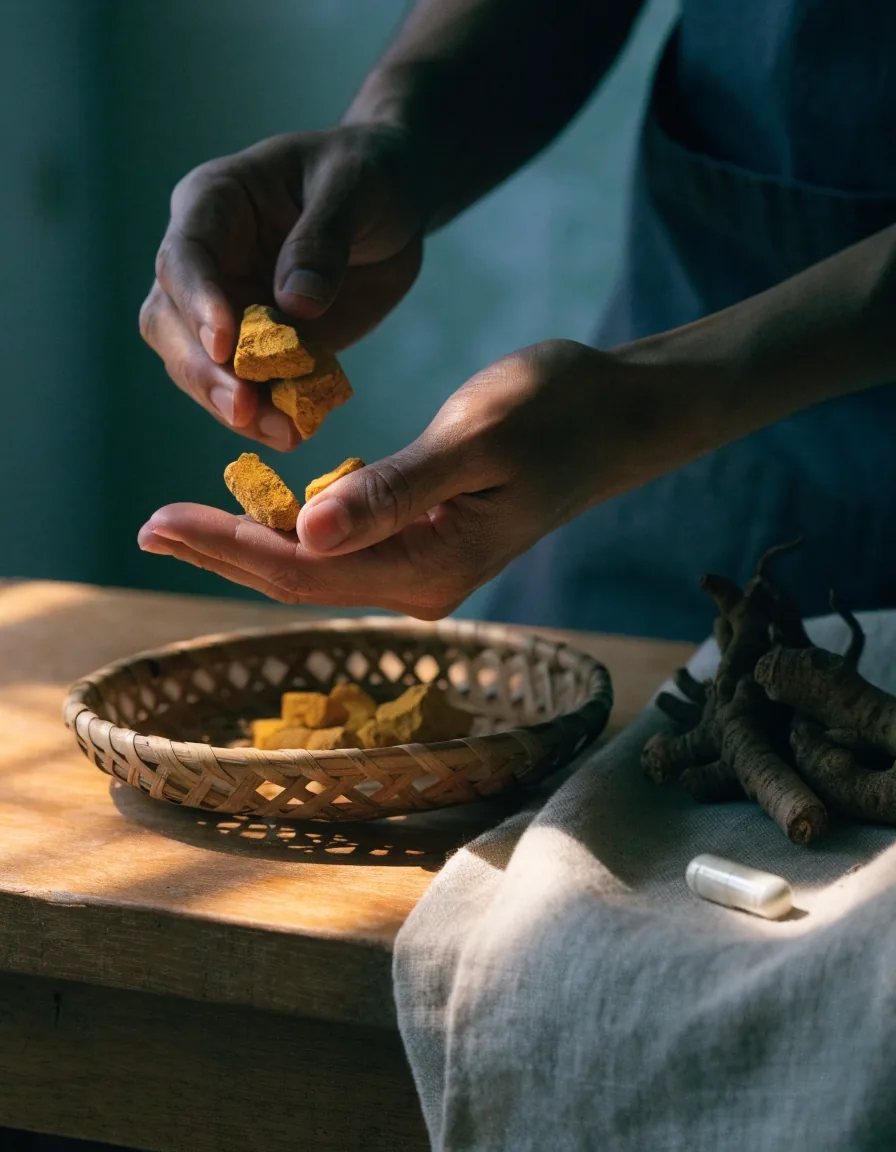
Turmeric rhizome · devil's claw · cellulose capsule
42 Thistlewood Lane, Manchester M14 5TQ, United Kingdom
Monday to Friday, 9:00 AM – 6:00 PM
© 2026 Nordic Cairn Joint Care
Specimen sheet one · UK herbal joint-support reading room
Reader letters welcome · replies Mon–Fri
Turmeric rhizome · devil's claw · cellulose capsule
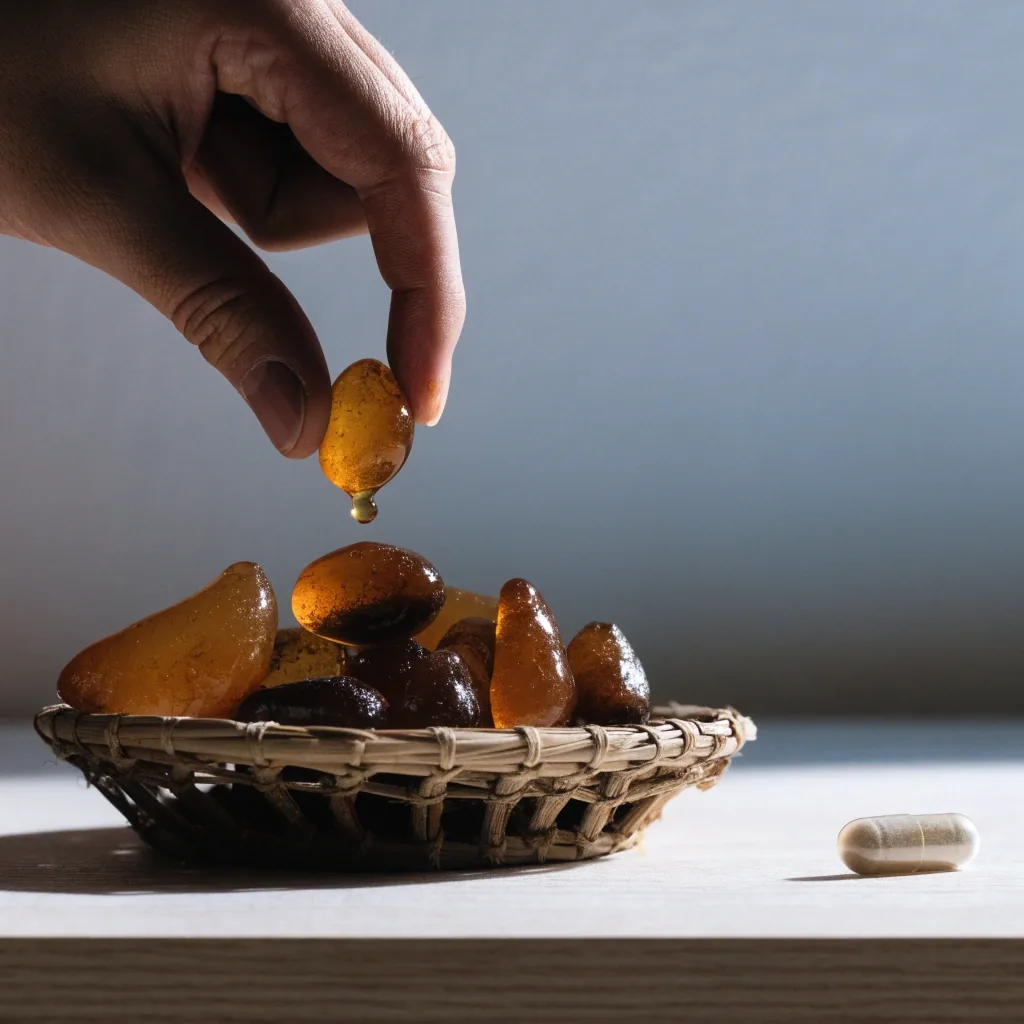
Boswellia serrata
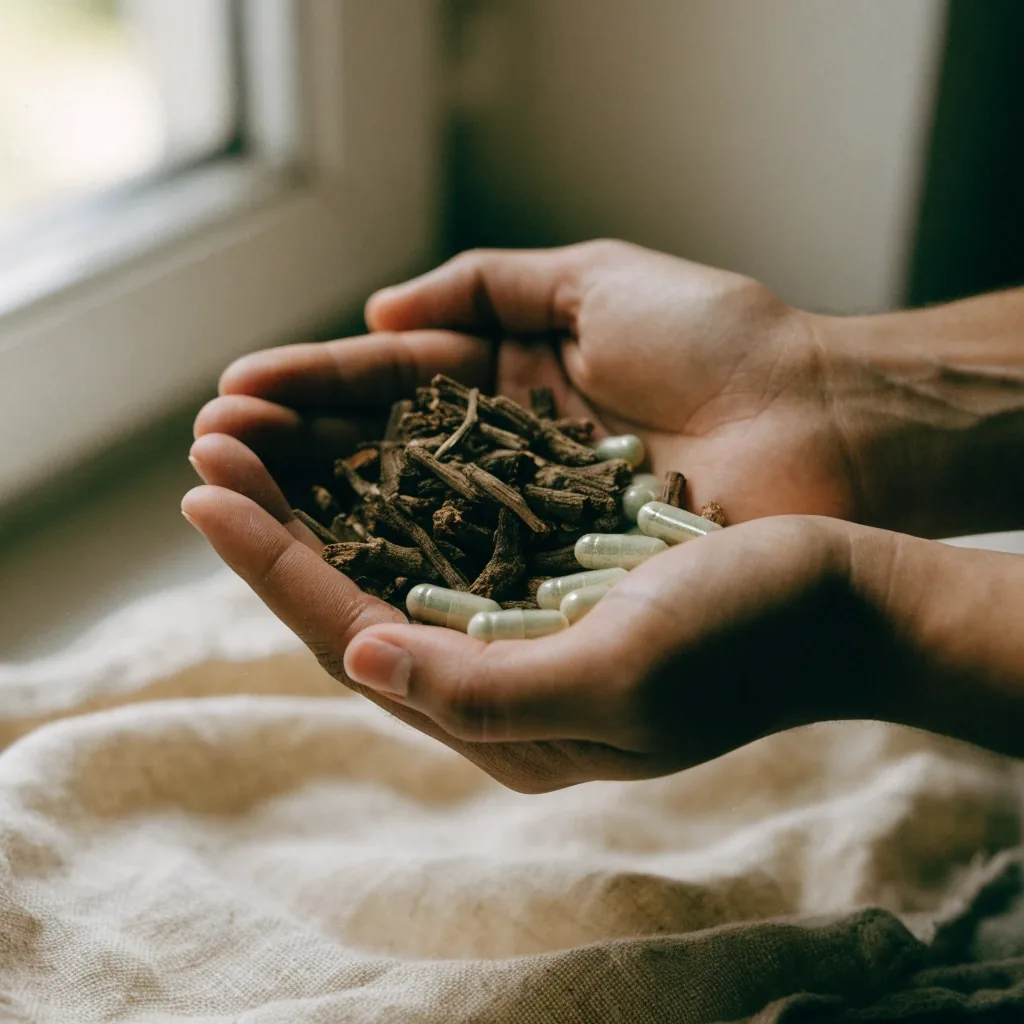
Arnica montana
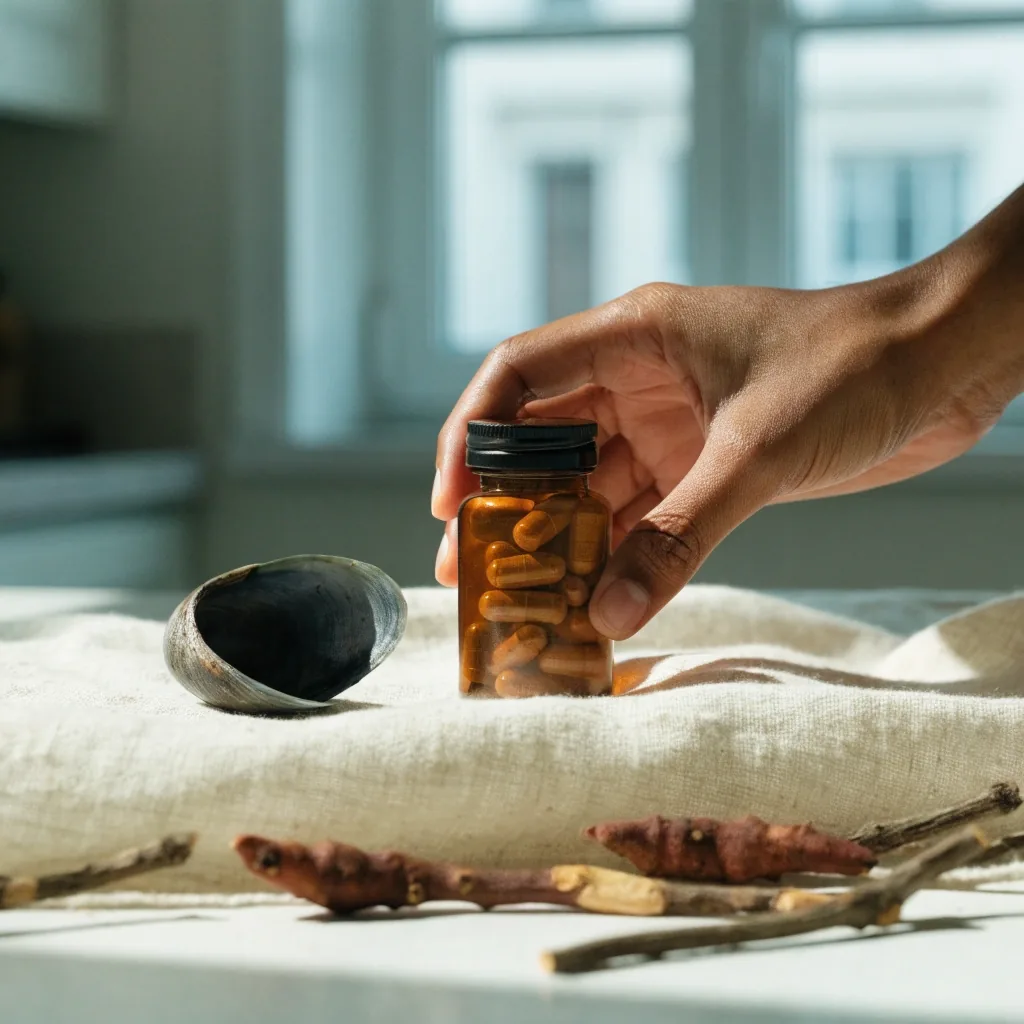
Green-lipped mussel
Plain cellulose capsule
Six reference items, one issue. Everything on the sheet is a product you can pick up in a UK shop or pharmacy and check yourself.
Nordic Cairn is a reading resource for people in the UK who want to know what is inside joint capsules, balms and gels before they spend money on them.
We don't sell anything. We read labels, compare formats and explain how botanicals such as turmeric, devil's claw and boswellia are traditionally described. If you have been searching for joint capsules, a knee pain solution or something to support everyday mobility, start with the ingredient guides and work outward from there.
Three strands and nothing else: botanicals, capsule routines, and topicals for people who would rather not swallow anything.
The UK shelf is crowded with products making loud claims, and our job is to slow that down and give you the ingredient story in ordinary language. Each guide tells you what a herb is traditionally associated with, where it shows up in real products, and what questions to ask before buying.
There are no miracle cures here and no promises to eliminate joint pain in days. A herb profile will tell you which part of the plant the extract comes from, whether the label states a standardised strength, and how the ingredient is positioned in the products you actually see on a shelf. A routine page tells you when people take capsules, how long they usually persist before judging whether it suits them, and what a realistic daily habit looks like around work and family life. A topical page covers what a balm or gel does on contact, in the minutes after you rub it in, and why that is a different experience from a capsule swallowed with breakfast.
One issue: herbals, capsules, topicals
Editorial · unpaid · sources named
Walk into any high-street health shop and you will see joint capsules promising fast relief, healthy legs or restored strength. The packaging is confident. The ingredients list is usually where the useful information lives.
Two families on one shelf
A formula built on glucosamine, chondroitin and MSM is doing something quite different from one built on turmeric and boswellia, even if both sit under the same joint support sign. One leans on structural nutrients the body already handles; the other leans on botanicals and how they are traditionally described.
Hybrid formulas
Plenty of UK products now combine both, putting devil's claw or turmeric alongside glucosamine and hyaluronic acid. That is not automatically better or worse; it just means you need to read two columns of the label instead of one.
Extract strength
A turmeric extract standardised to 95% curcuminoids is a different proposition from plain turmeric powder. The name on the front of the pack is often the same; the number in the small print is not.
Capsule count against dose
How many capsules a day appears in the directions, not the tagline. A 100-capsule bottle taken twice daily lasts about seven weeks. That single line changes how you compare value across brands.
Rather than review products we have never seen, we anchor our guides to real items sold in the UK so you can see how the categories actually look on a shelf. Naming them is not an endorsement.
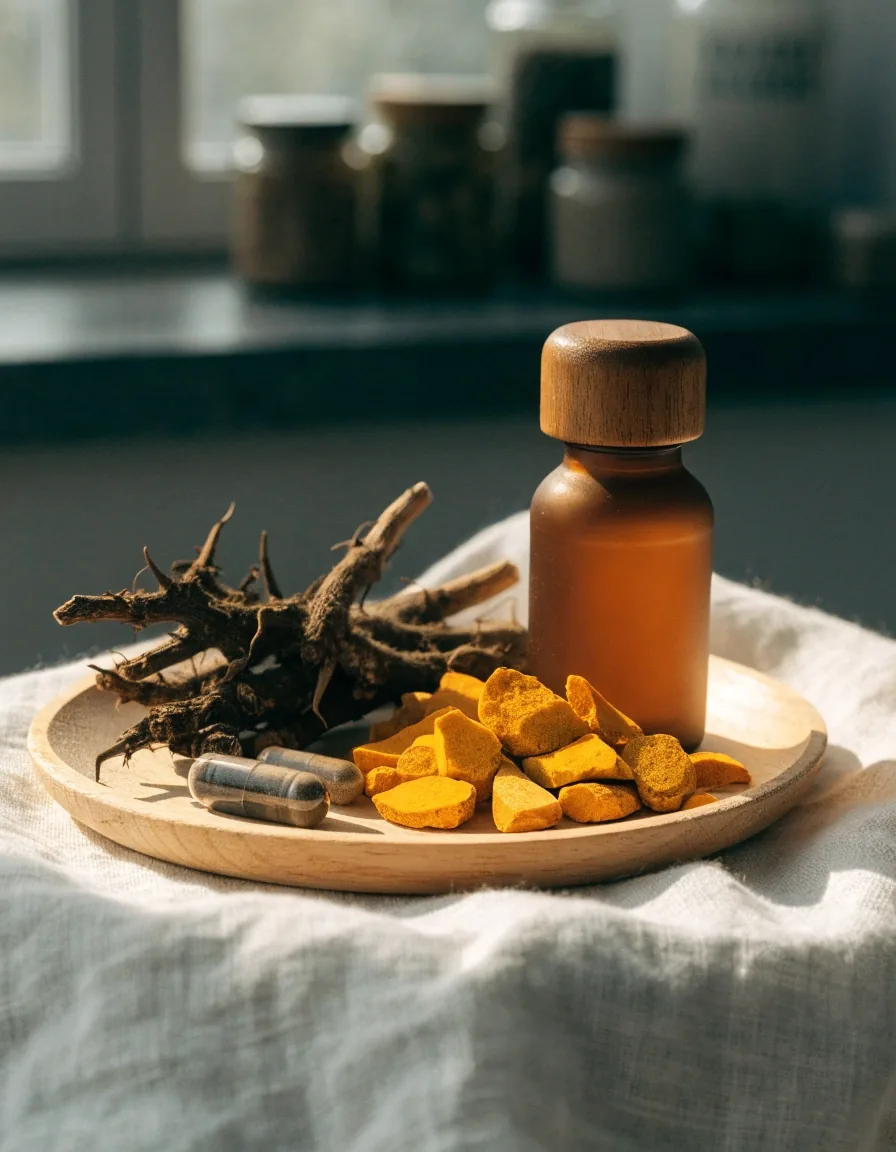
Gluco Chondro 2700
Glucosamine, chondroitin, MSM, devil's claw, hyaluronic acid and turmeric in one complex — the hybrid trend in a single bottle.
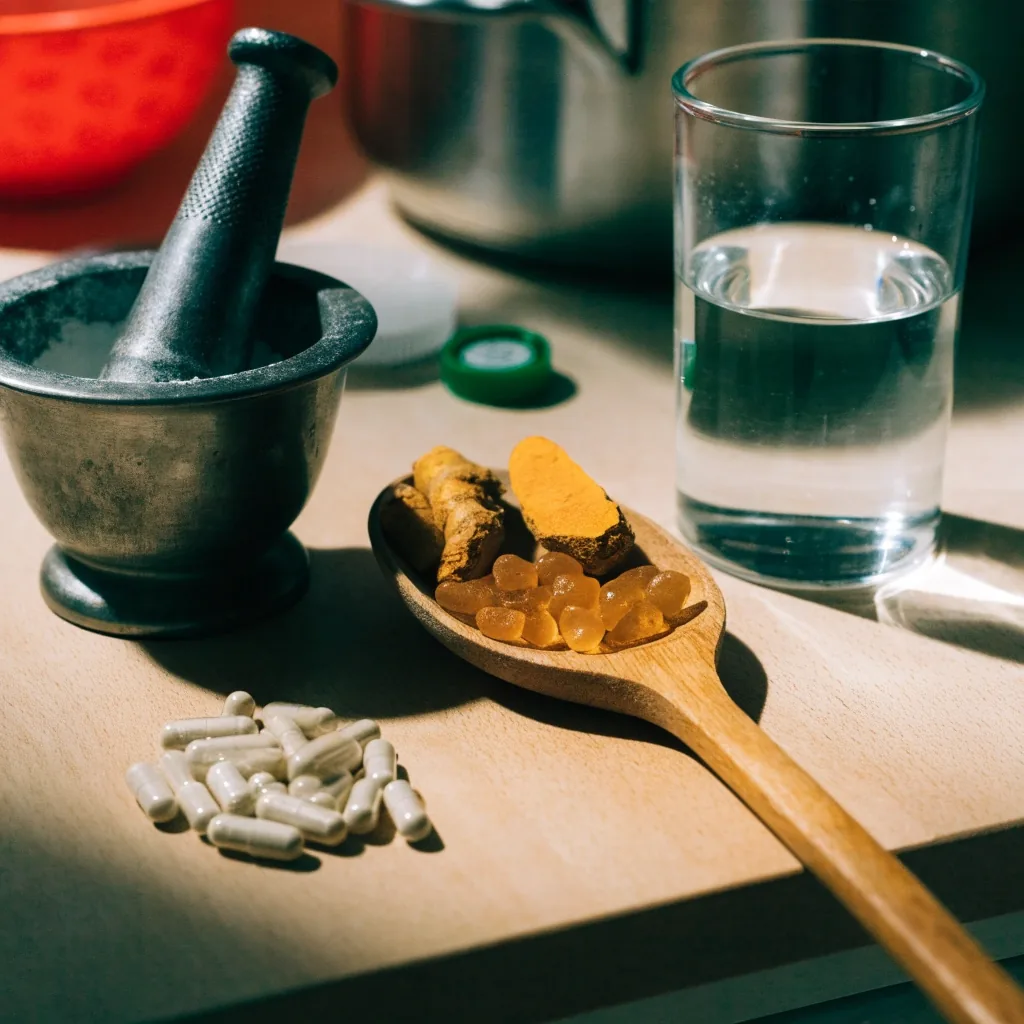
Bio-Nature Joint Aid Herbal Complex
Turmeric rhizome extract, boswellia serrata and black pepper extract in vegetable cellulose capsules. Pure botanical positioning.

Zipvit Joint Health
A UK collection focused on mobility and flexibility, building around glucosamine, chondroitin and turmeric.
Holland & Barrett Muscle & Joint Pain Relief
A mainstream retailer range spanning tablets and capsules, including 50 and 100 counts, aimed at once- or twice-daily use.
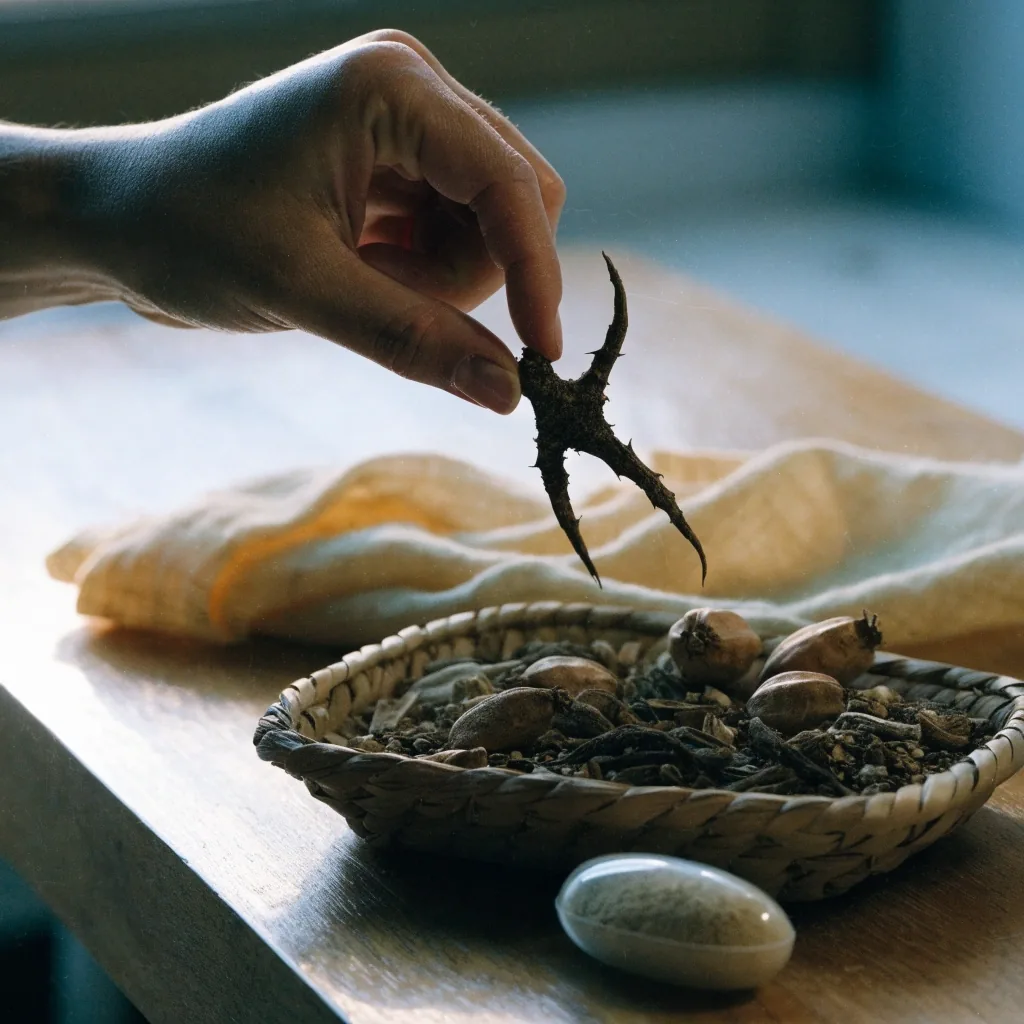
Devil's Claw
A traditional herbal medicinal remedy used widely in UK joint products and associated with backache and general aches.
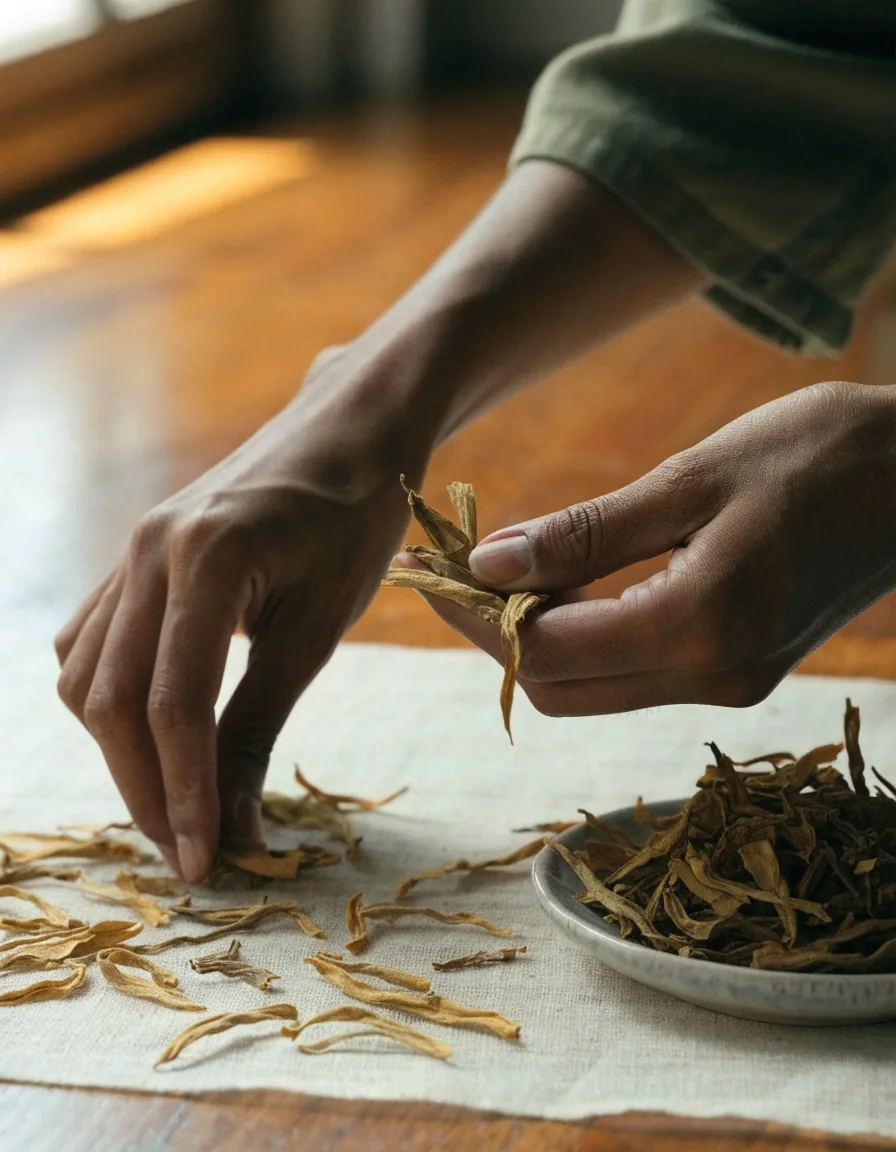
Sigesbeckia
A less familiar herbal remedy named in Holland & Barrett's own FAQs and associated with backache and minor sports injuries.
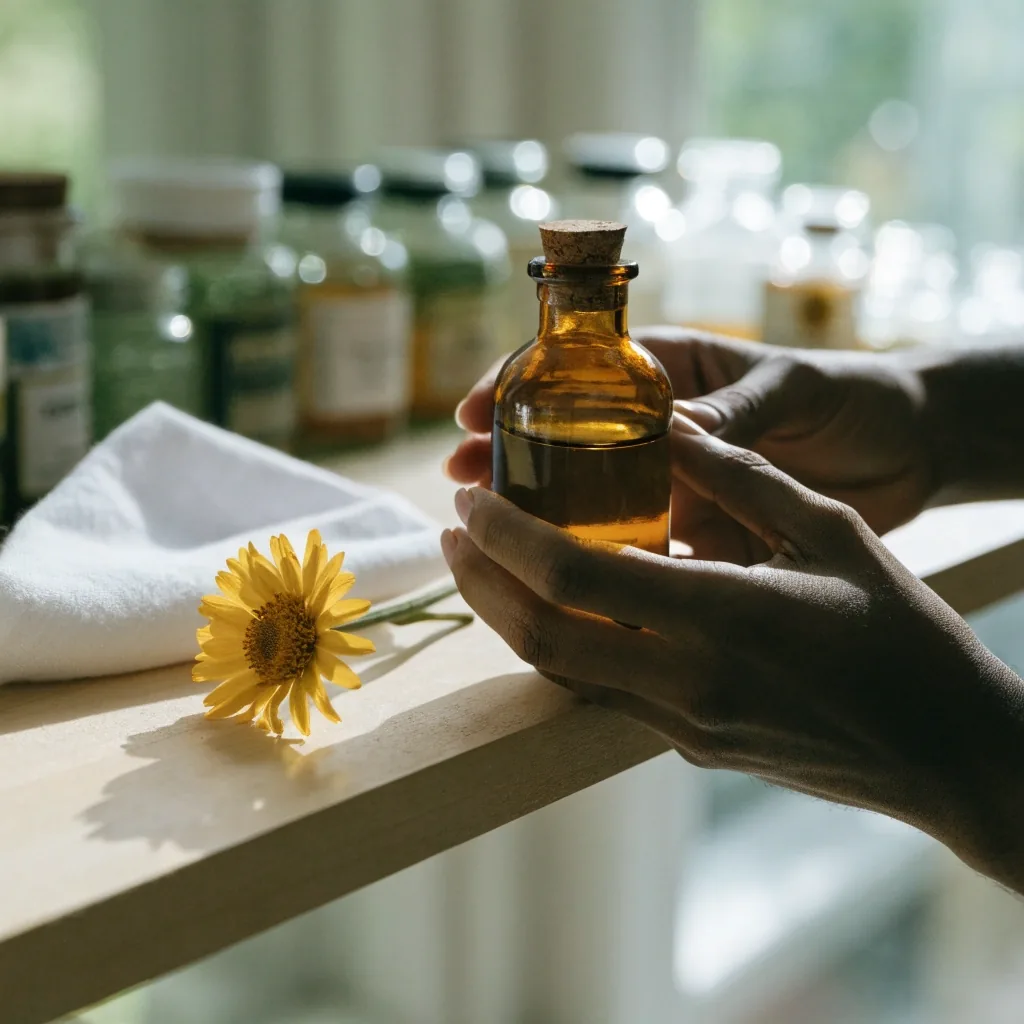
Weleda Arnica Massage Balm
Arnica montana for muscular pain, stiffness and sprains, naturally fragranced with lavender and rosemary.
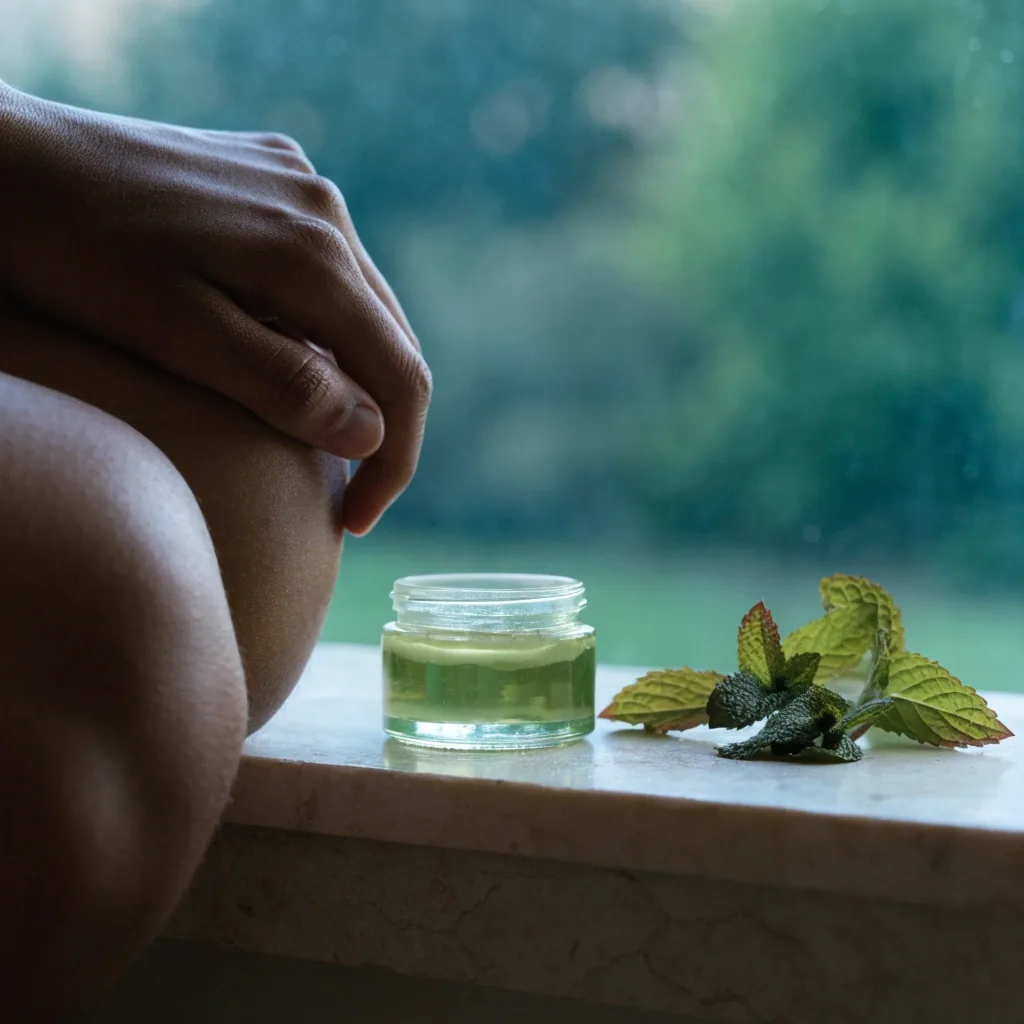
Pernaton Cooling Gel
Green-lipped mussel extract with menthol, eucalyptus, peppermint and rosemary, positioned as a drug-free support gel.
We keep this list short on purpose. If a product is named here, it is because it shows a category clearly on the shelf — a hybrid complex, a botanical-only blend, a single traditional herb, a balm, a cooling gel — not because we prefer it to any other brand.
Through the routine
A capsule works through your daily routine. You take it at a set time, it becomes part of the morning, and the effect is cumulative rather than immediate. That is why the label's daily dose and the bottle's capsule count matter more than the wording on the front: they decide how long one purchase actually lasts.
Most people who stay with capsules do it because the habit is easy to keep, not because anything dramatic happened on day three.
On contact
A topical balm or cooling gel works on contact: you rub it into a knee or shoulder and feel the menthol, or simply the massage itself, within minutes. That immediate sensation is the whole point of the format, and it is why people reach for a gel before a walk or after a long sit.
Neither approach replaces the other, and plenty of people use both. The question to ask is what you actually want — a habit you build, or a sensation you apply when something feels stiff.
Two registrations, one shelf, and a label that tells you which one you are holding.
This phrase is not marketing fluff. In the UK, a product registered as a traditional herbal medicinal remedy has passed a specific regulatory route that food supplements have not. It usually shows up on single-herb products such as devil's claw or arnica rather than on multi-ingredient complexes.
Ordinary food supplements, by contrast, can combine glucosamine, turmeric and MSM in one capsule but cannot make medicinal claims. Both categories exist side by side on the same shelf, and the label tells you which one you are holding. Understanding that split is one of the fastest ways to make sense of the whole section.
The most common pattern is one capsule with breakfast, or two split across morning and evening, depending on the label. Consistency matters more than timing precision here.
Pick a slot you will not skip
Breakfast is the popular choice because it already exists in the day. If your mornings are chaos, the evening meal works just as well — the point is that the cue is something you already do.
Keep the bottle visible
A cupboard is where routines go to die. On the counter, beside the kettle, or next to whatever else you take in the morning keeps the habit in view without turning it into a chore.
Give it weeks, not days
Judging a supplement after four days tells you very little. Finish a reasonable stretch of the bottle before you form an opinion about whether it earns a place in your routine.
Anyone taking medication, pregnant, or managing a diagnosed condition should speak to a pharmacist or GP before starting any supplement, including herbal ones. That is a practical precaution, not a formality.
Capsules and balms are support, not a substitute for using your joints. Gentle daily movement, a short warm-up before activity, and not sitting in one position for hours all do more for comfortable movement than any single product.
Our everyday mobility guide covers simple, non-medical habits you can fold into a normal working week — nothing that needs equipment, a gym membership, or a special block of time.

Check the ingredient list before the front of the pack. It is the only part of the packaging that has to be accurate, and it answers most of the questions a slogan is designed to avoid.
Look at the extract strength
A turmeric extract at 95% curcuminoids is a different thing from plain turmeric powder, even though both are sold as turmeric.
Check for black pepper or piperine
Its presence tells you the formula is attempting to address absorption of a botanical extract alongside the extract itself.
Decide which column you are buying from
Does the formula lean on botanicals, on structural nutrients, or on both? Knowing the answer stops you comparing a botanical blend against a glucosamine complex as if they were the same product.
Match the capsule count to the daily dose
A 100-capsule bottle taken twice daily lasts about seven weeks, which changes how you compare value across brands on the shelf.
If you are new to herbal joint support, read the herbal ingredient guide first. It explains turmeric, boswellia, devil's claw, sigesbeckia, arnica and green-lipped mussel one at a time, without pushing you toward any of them.
We don't claim any product will eliminate joint pain, restore joints quickly or work for everyone. Herbal ingredients affect people differently, and much of what is written about them comes from traditional use rather than large trials. We flag that honestly because a resource that overpromises is worse than no resource at all.
If a page on this site ever reads like an advertisement, tell us and we will fix it. That offer is genuine — the whole point of a reading resource is that you can trust the tone.
Our guides are written by an editorial team based in the UK, using publicly available product information, retailer FAQs and traditional-use descriptions. We name products so you can check them yourself, not to endorse them. Nothing here is medical advice, and nothing is sponsored.
Nordic Cairn Joint Care · 42 Thistlewood Lane, Manchester M14 5TQ, United Kingdom
Monday to Friday, 9:00 AM – 6:00 PM · [email protected] · +44 117 405 4284
Corrections and questions reach a real inbox. Contact us or read the About us page for how this resource is put together.
No. We are an editorial resource. We explain ingredients and formats so you can make your own choice at a shop or pharmacy.
No product can promise that, and you should be wary of any that does. Herbal ingredients are traditionally used to support comfort and mobility, and results vary between people.
They do different jobs. Capsules suit a daily routine; gels and balms give immediate contact sensation. Some people use both.
Ask a pharmacist or GP first. That applies to herbal products as much as to any other supplement.
Read the profiles, look at how routines actually run, then compare the products on the shelf with a clearer eye. No account needed, nothing to buy here.