Massage balm
Arnica balms
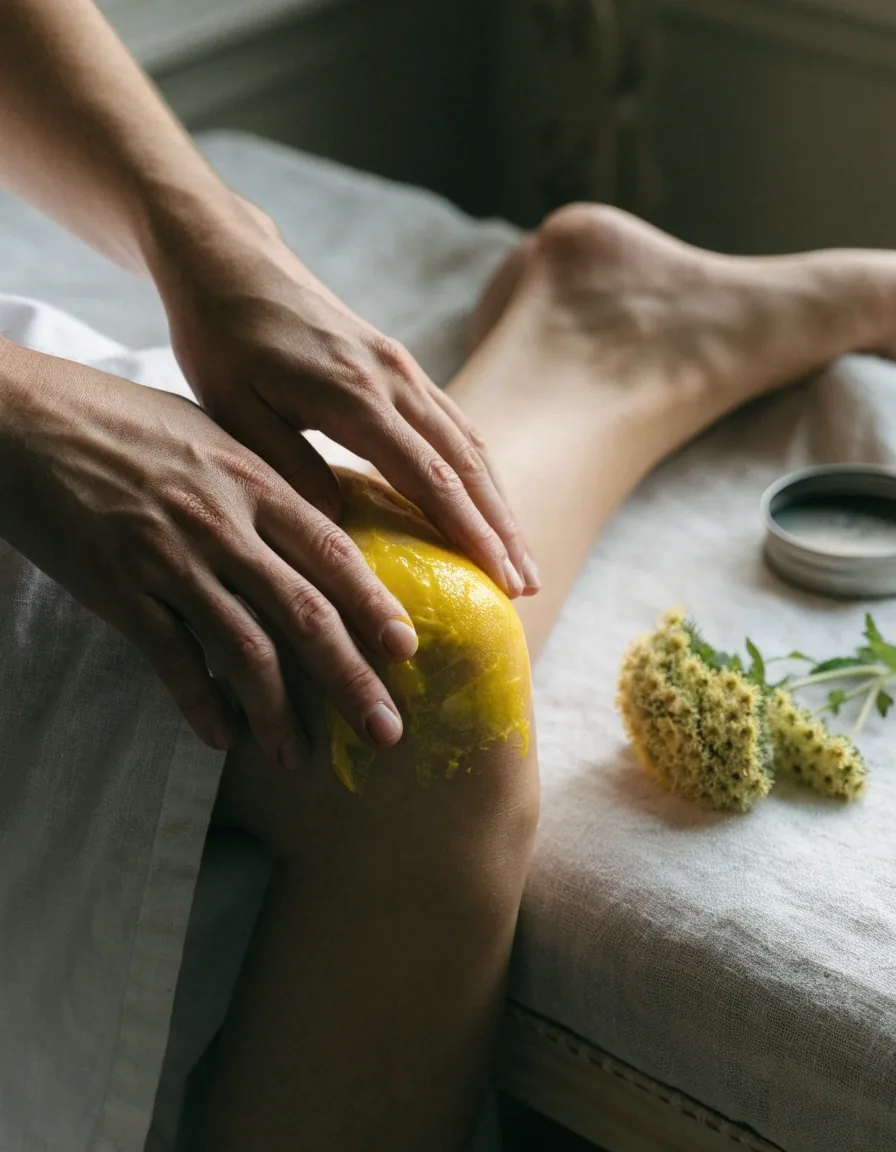
Arnica montana in a balm base, applied by working the area. The massage is part of the point.
42 Thistlewood Lane, Manchester M14 5TQ, United Kingdom
Monday to Friday, 9:00 AM – 6:00 PM
© 2026 Nordic Cairn Joint Care
Balms, cooling gels and green-lipped mussel formulas
Arnica balms, menthol cooling gels and green-lipped mussel formulas, compared for anyone who would rather rub something in than swallow another capsule.
Start here
Know which of the three formats suits the joint you are actually pointing at.
Massage balm
Arnica montana in a balm base, applied by working the area. The massage is part of the point.
Cooling gel
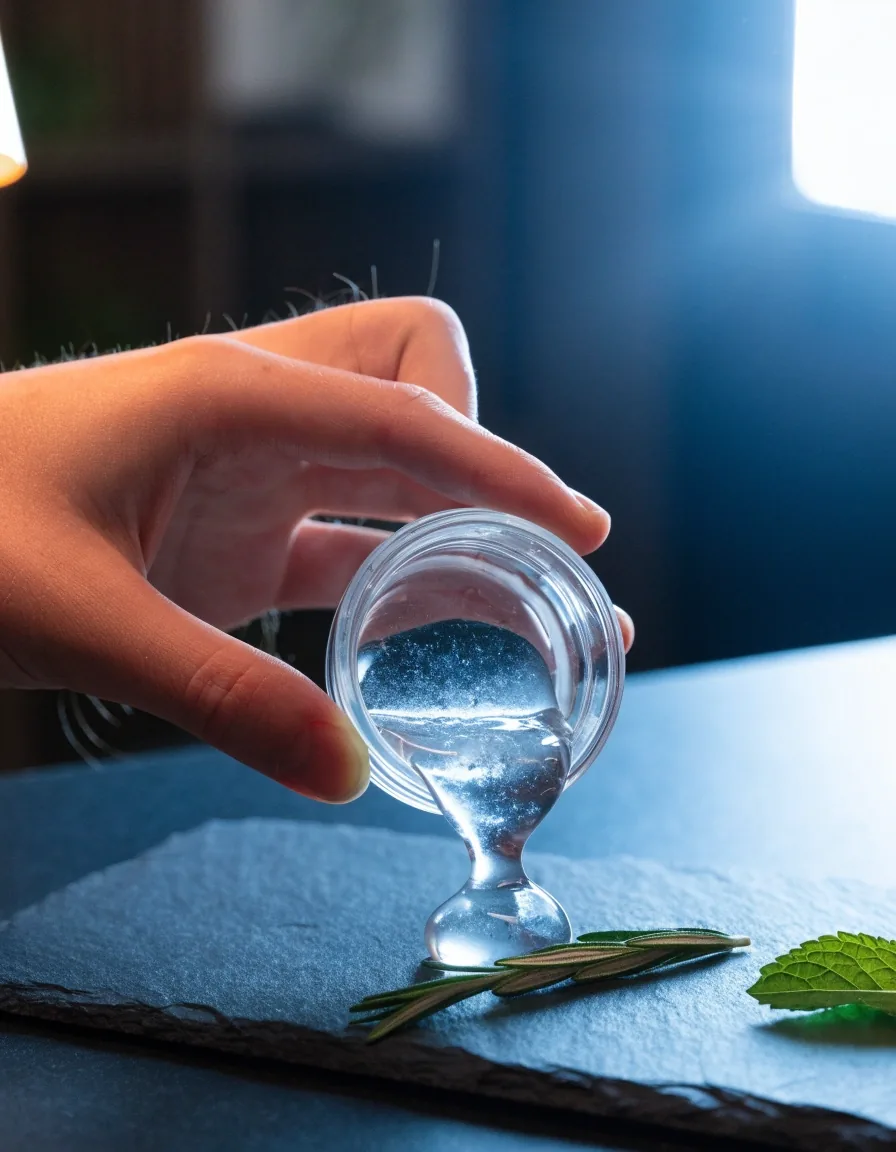
Menthol with eucalyptus, peppermint and rosemary oils. The sensation arrives on contact.
Extract in a gel
Usually a capsule ingredient, now also sold suspended in a topical gel.
Application
Clean skin, a minute of rubbing in, washed hands. Small details decide whether you keep using it.
Scroll the strip sideways. Each cell is the same three facts about the format inside it: what the botanical is, how it is applied, and what it tends to suit. Nothing on this page is a joint pain aid you swallow, which is exactly the point of the page.
A capsule becomes part of a daily routine and works quietly in the background. A balm or gel is a discrete action: you apply it, you feel something, and it is over. That makes topicals better suited to the moments when a joint feels stiff right now rather than to building a long-term habit.
Many people keep both, and there is no rule against it. The thing to avoid is comparing them on the same terms, because they are not competing for the same job. If your question is about daily joint support taken by mouth, the capsule routines page covers that side of the shelf. If your question is about a knee that is complaining after a long walk, you are already in the right place.
Format note · a topical is an action, not a habit
Applied to a specific knee or shoulder, in seconds, without touching your breakfast routine.
The traditional route
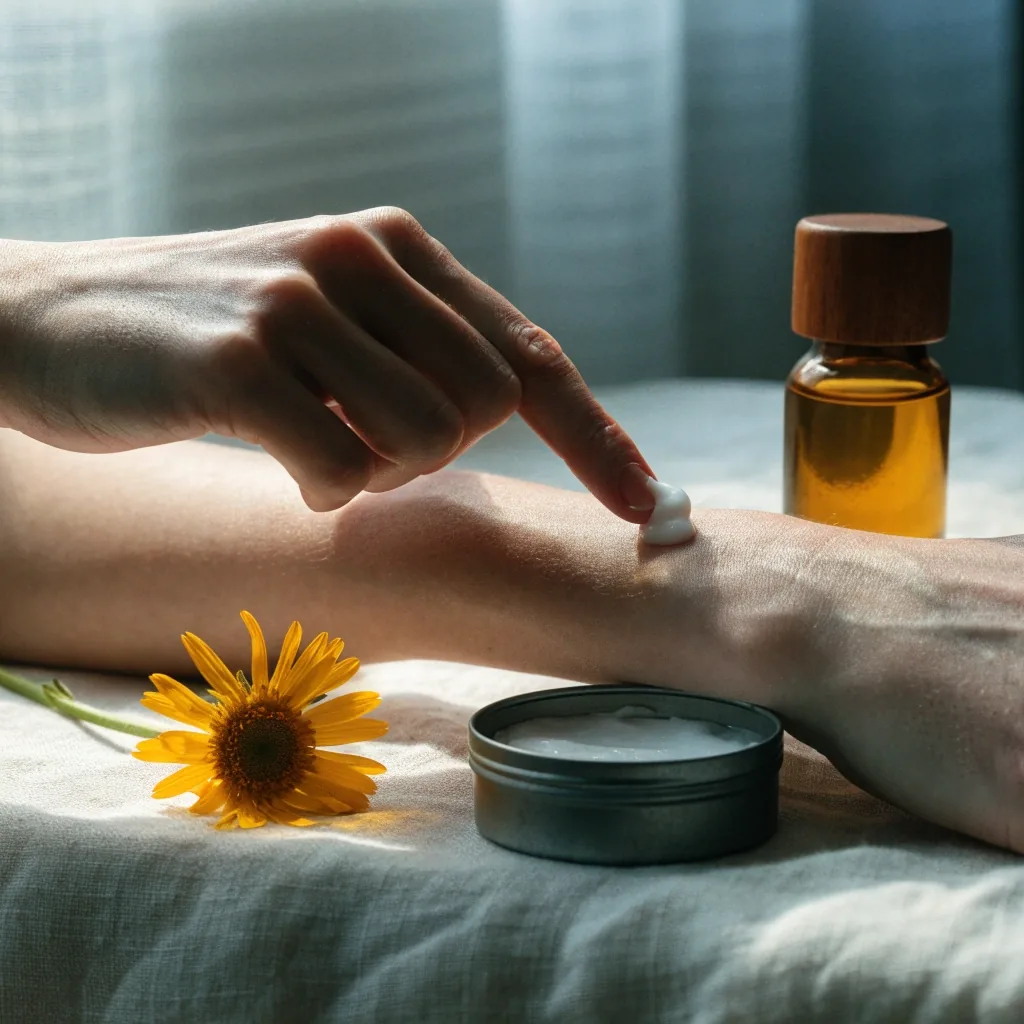
Weleda Arnica Massage Balm is a traditional herbal medicinal product for symptomatic relief of muscular pain, backache, minor sports injuries, stiffness, bruising, cramp and sprains. Its signature botanical is Arnica montana, and it is also described as vegan-friendly with a natural fragrance from lavender and rosemary.
Note the format as much as the ingredient, because the format is half the experience. This is a massage balm, so part of what you are doing is physically working the area. That suits anyone who finds the act of massaging a stiff muscle useful in itself, and it suits a broader zone such as the lower back where a steady hand can cover the ground.
Because it is a registered traditional herbal product rather than a cosmetic rub, the label is the authority on how often to use it and on who should not. Read it before the first application rather than after.
Cooling gels
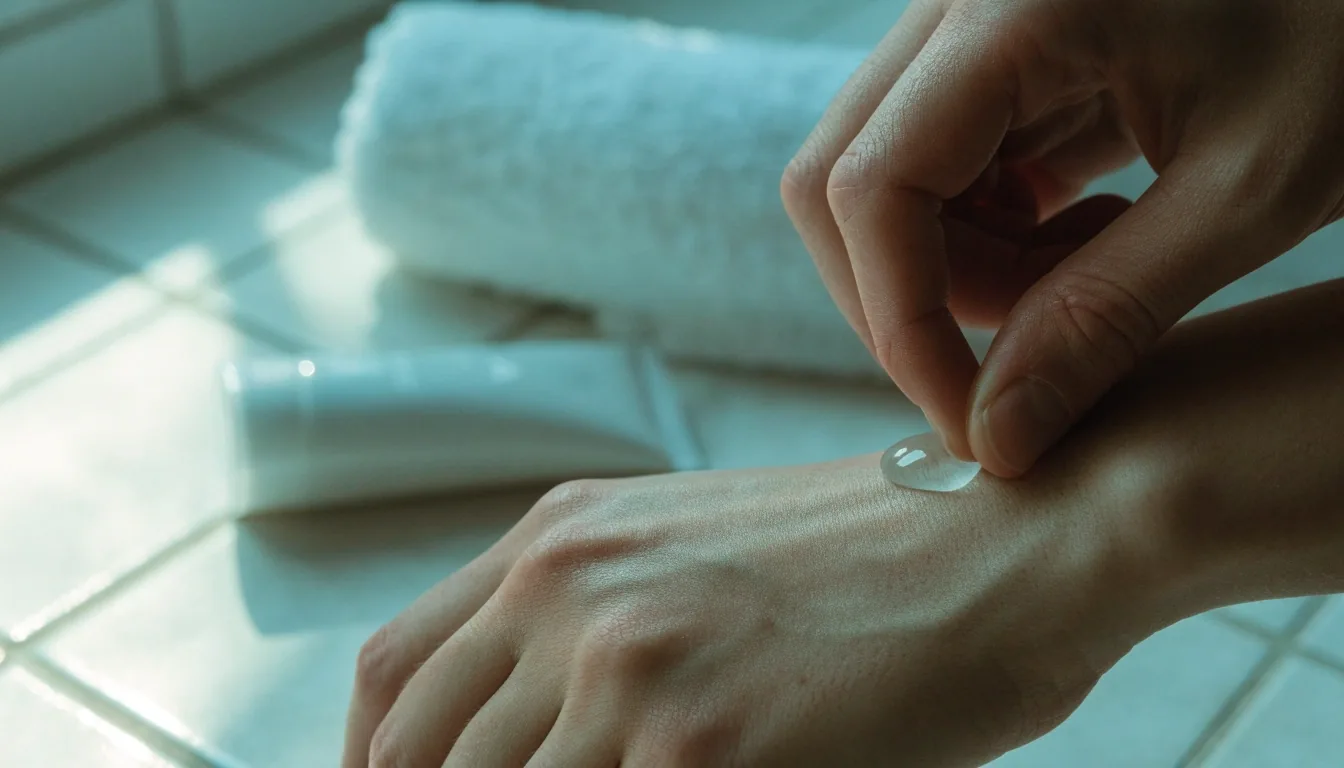
Pernaton Cooling Gel takes a different approach, combining green-lipped mussel extract with menthol and essential oils including eucalyptus, peppermint and rosemary, and positioning itself as a natural, drug-free support gel.
Menthol is the key to the experience. It produces a cooling sensation on contact that many people find pleasant on a tired knee or calf after a long day, and it arrives fast enough that you notice it within a minute rather than at some point tomorrow. That immediacy is the honest appeal of the format, not a claim about the joint underneath.
If you have tried warming balms and found them too heavy, too greasy or simply too much, a cooling gel is the sensible alternative to test first. It usually dries down quicker, which matters if you are applying it before getting dressed or before bed.
What is in the gel
Ingredient detail is quoted from the manufacturer's own product description. Always check the current pack before buying, since formulations change.
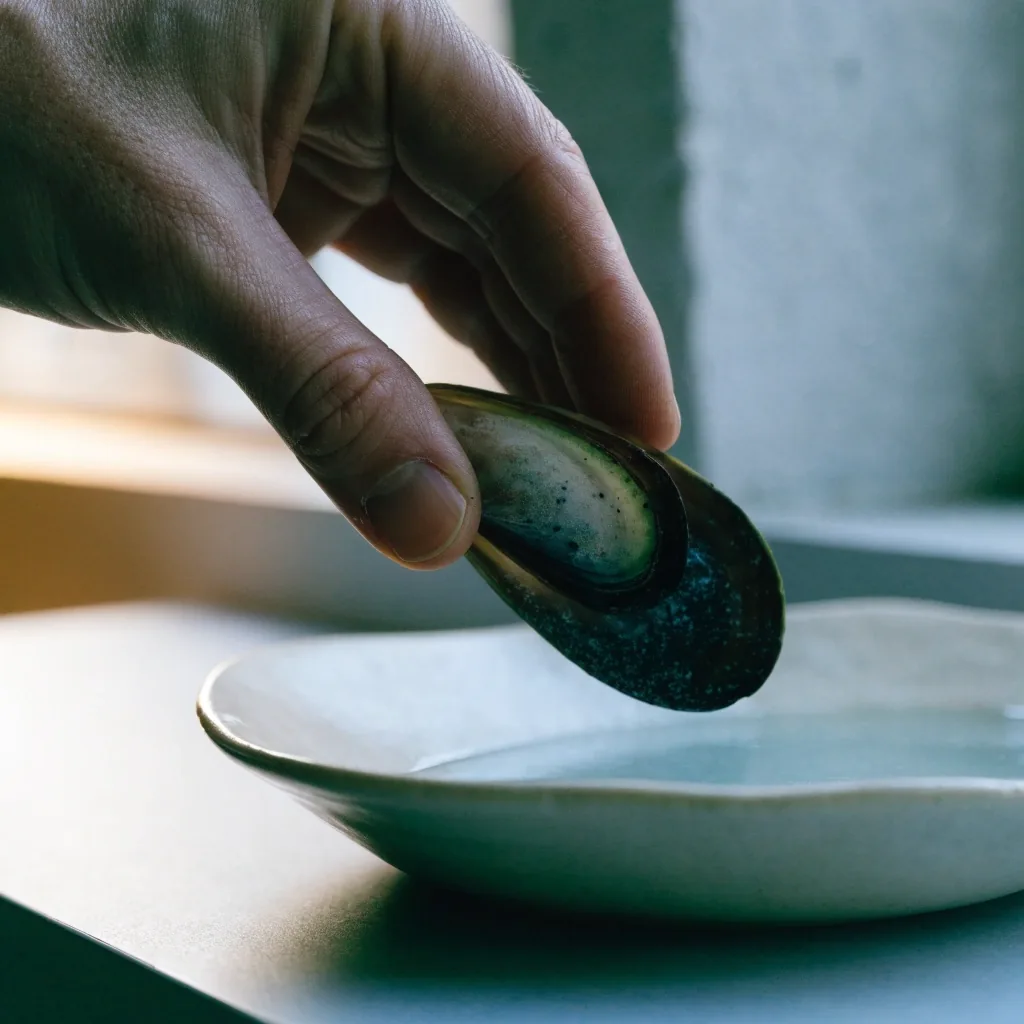
Green-lipped mussel extract is more usually found in capsules, so its appearance in a gel is worth noting. It shows how ingredient names travel across formats in this category, and how quickly a familiar name can end up on a tube as well as a capsule.
If you have read about green-lipped mussel on the herbal ingredient guide and would rather not take capsules, a topical formula is the way to encounter it. That is the whole reason the option exists on a shelf next to its capsule cousins.
Temper expectations accordingly. A gel is a gel, and the ingredient story does not change what you will feel on your skin. What you are buying is a pleasant, quick-drying cooling rub that happens to carry a marine extract, not a different experience of the joint itself.
Three practical questions settle it before you spend anything. Answer them honestly and the format usually picks itself.
Question one
A broad area like the lower back takes a balm well, because you are covering ground with the heel of a hand. A specific joint such as one knee is the gel's home turf: a smaller amount, a smaller patch of skin, done.
Question two
Before activity, a gel's cooling read is pleasant and dries quickly. After a long day, an arnica balm with a proper massage fits the sofa better. Before bed, both work; pick the sensation you would rather fall asleep with.
Question three
If you like a cool rush on tired calves, menthol gels deliver it reliably and it is the main reason people keep buying them. If you would rather have warmth and the act of rubbing, arnica balms are the closer match.
None of the three questions needs a brand name to answer. That is the useful part: settle the format first, then compare the specific products inside it.
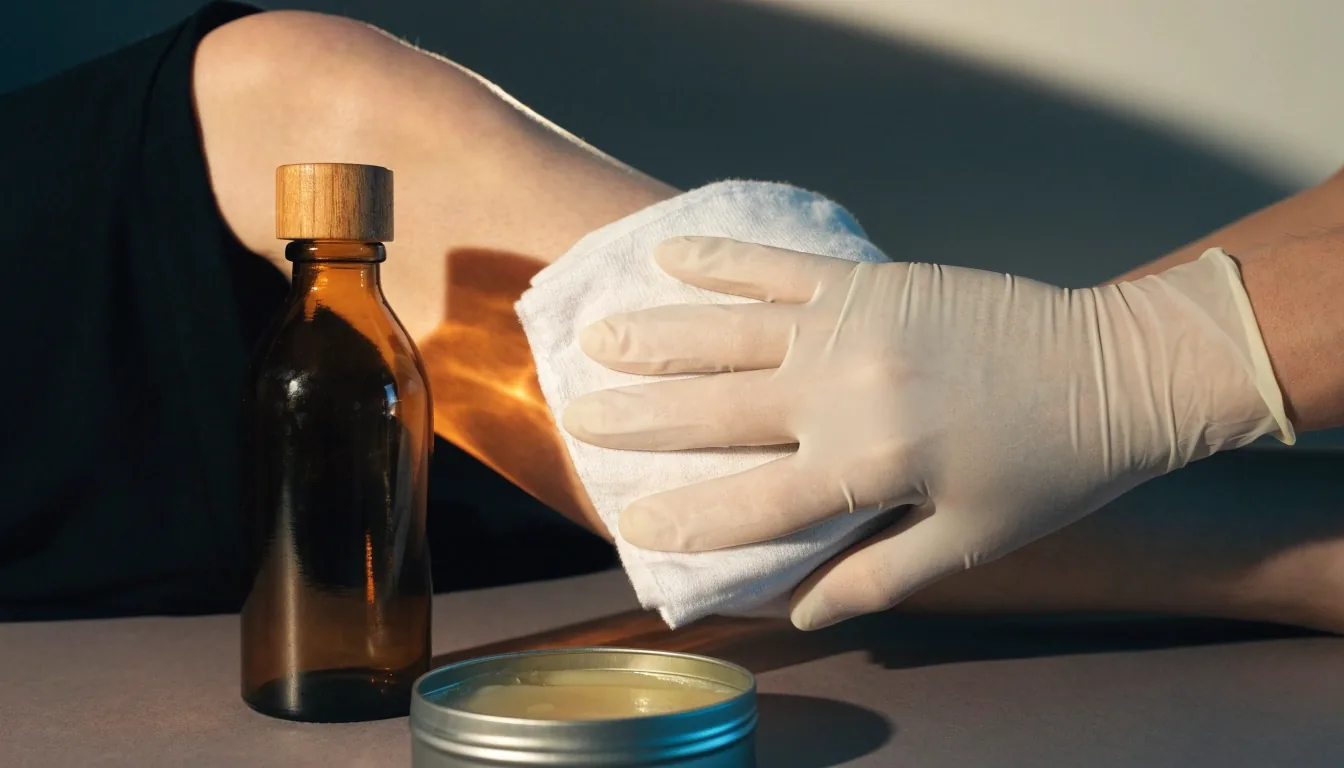
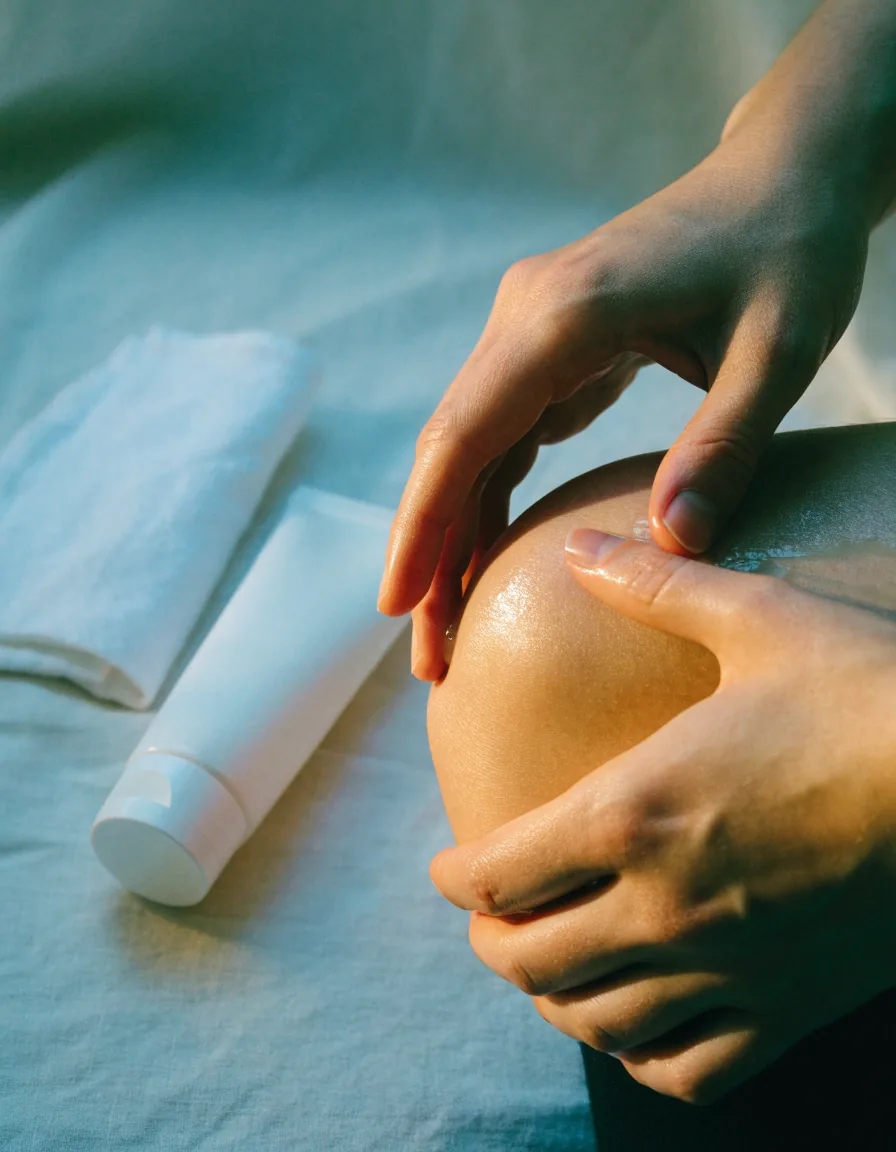
Clean, dry skin absorbs best. Use enough to cover the area without soaking it, massage it in for a minute or so, and wash your hands afterwards. It sounds obvious until you are standing in a bathroom at eleven at night with gel on your fingers and a towel out of reach.
Do not apply to broken skin, and keep it away from your eyes. If a product is going to sit on the same spot daily, rotate the area slightly rather than treating the identical patch of skin every time. These are unglamorous details, but they are the ones that make a topical pleasant enough to keep using rather than something you abandon in a drawer by week two.
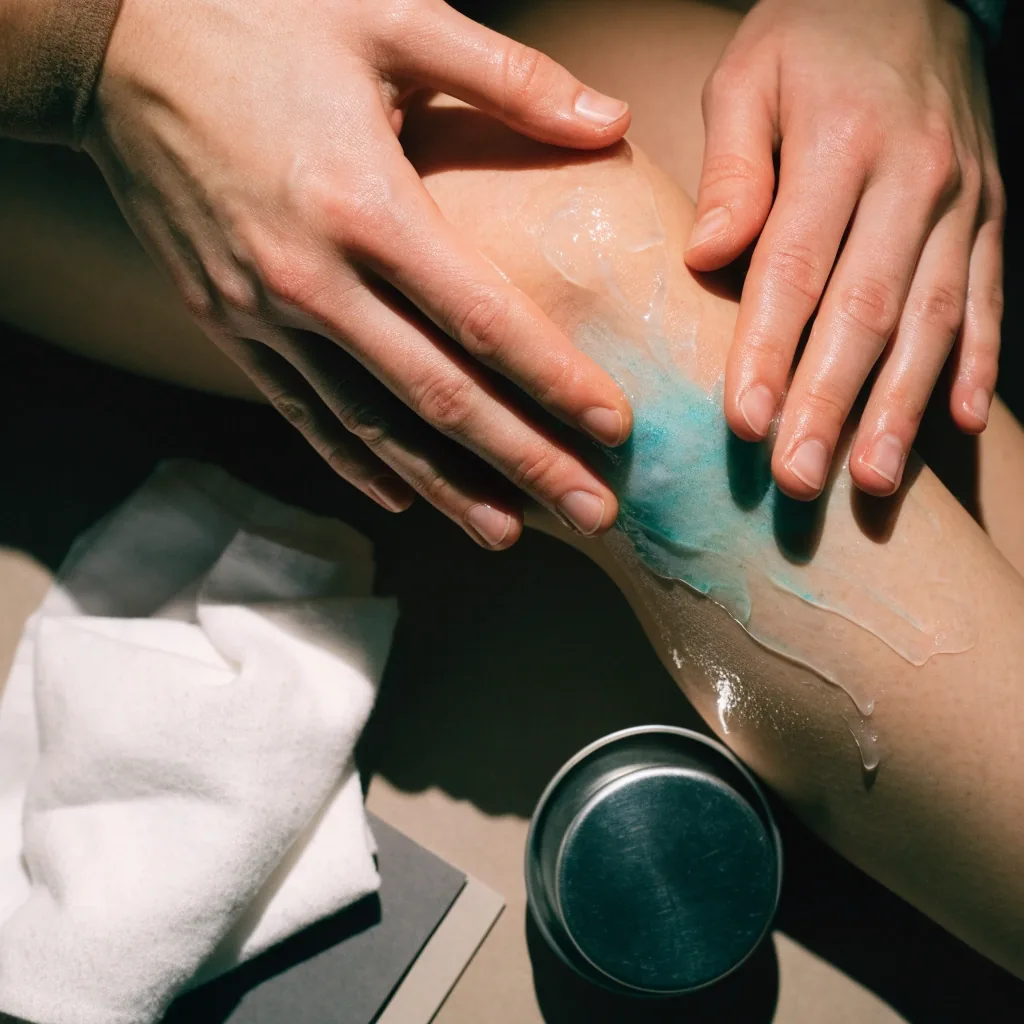
Step one
Damp skin dilutes the product and the balm slides instead of working in.
Step two
Enough for a thin even film across the area. More does not do more.
Step three
Rub it in with firm, slow strokes, then wash your hands thoroughly.
The honest boundary
No topical can restore joint health, and none should be sold as if it can.
No topical product restores joint health or eliminates joint pain from the outside in, and any gel that claims to should be left on the shelf. What balms and cooling gels offer is contact support: a sensation, a massage, and a few minutes of attention on an area that feels stiff.
That is a modest and useful thing, and it is worth saying plainly. It is not a substitute for movement, because joints generally prefer being used to being avoided. It is not a substitute for a conversation with a pharmacist if something is genuinely bothering you, particularly if the discomfort is persistent, swollen or comes with other symptoms. And it is not a reason to put off getting an area looked at.
Keeping the boundary straight is how the format stays pleasant. You are buying a comfortable few minutes, not a repair.
The easiest way to make a topical useful is to attach it to something you already do: after a shower, after a walk, before bed. Keep it somewhere you will actually reach rather than in a cupboard behind the towels. A gel that lives on the bathroom shelf gets used; one that lives in a box under the sink does not.
If you are using a cooling gel after exercise, apply it once you have cooled down rather than immediately, so the cooling sensation is not competing with the heat you already have. If you combine a topical with a capsule routine, there is no conflict between the two, but say so to a pharmacist if you are also taking prescription medication. Bring the actual packs; guessing from memory is how details get lost.
Where it fits
Start wherever your actual question is, rather than reading the site in order. Three routes out of this page:
Short answers, and the label always wins over anything written here.
Follow the label, but most balms and cooling gels are designed for regular application to the same area. If you are using one daily on the same patch of skin, move the application area slightly now and then.
Many people do, because they are doing different jobs. If you take prescription medication, mention both to a pharmacist first and bring the packs with you.
The gel referenced on this page is positioned as a natural, drug-free support gel. The cooling sensation comes from menthol rather than a pharmaceutical painkiller, which is a big part of why people choose this format.
A massage balm usually suits a broader area like the back, while a cooling gel is easier for a specific joint. Both are applied by hand, so the deciding factor is how much area you are covering.
Start with whatever matches the moment. A topical answers a joint that is stiff right now; a capsule answers the wish to support joints daily as part of a routine. Neither choice closes the door on the other.
This page is one of several around the site, and it works best as the topical half of a broader picture. The comparison page puts capsules, balms and gels in the same frame, which is useful if you are still deciding whether a topical is your format at all.
If you would rather ask someone directly, Nordic Cairn Joint Care is reachable by phone or email during working hours, and a pharmacist remains the right first stop for anything that is genuinely bothering you rather than simply stiff.