

Turmeric · curcuminoid percentage is the number that matters
42 Thistlewood Lane, Manchester M14 5TQ, United Kingdom
Monday to Friday, 9:00 AM – 6:00 PM
© 2026 Nordic Cairn Joint Care
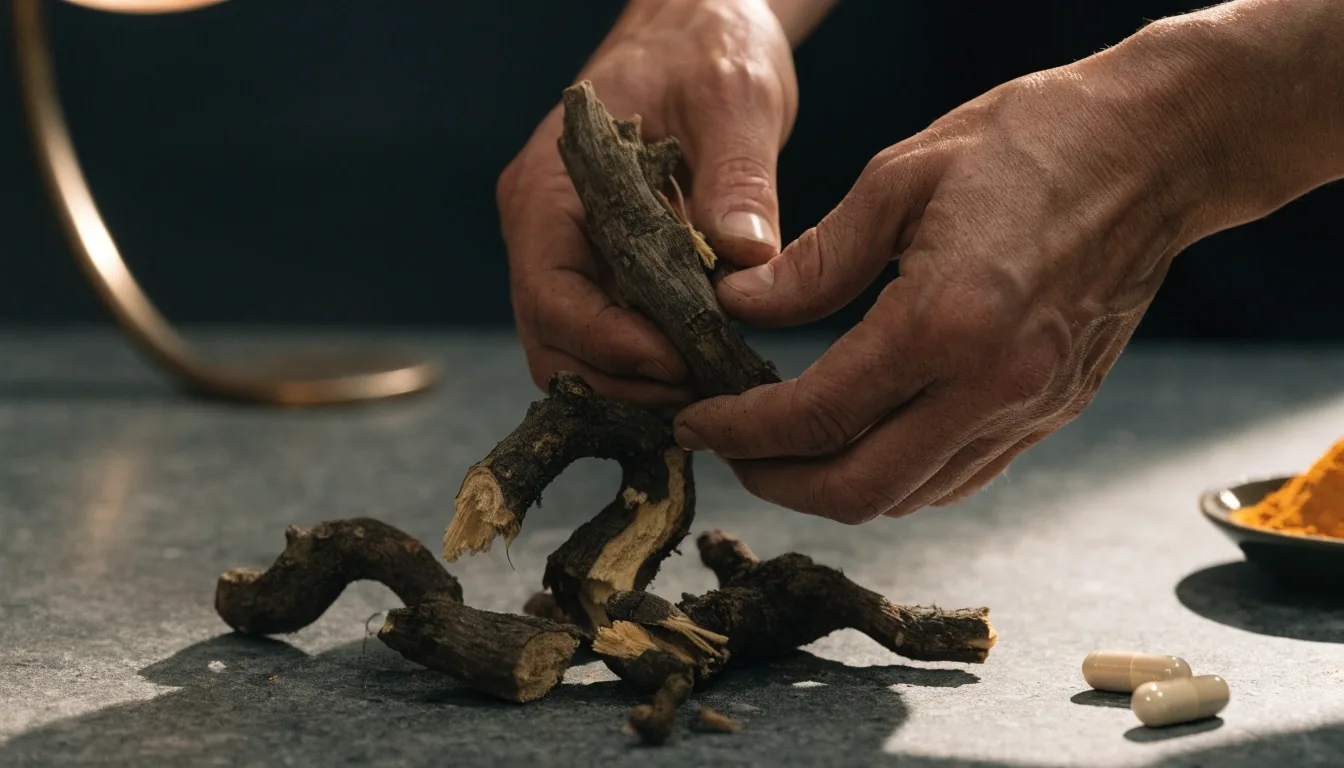
Six herbs turn up again and again in UK joint-support formulas. This guide takes each one separately, so you can recognise it on a label.
Turmeric, boswellia, devil's claw, sigesbeckia, arnica and green-lipped mussel are not interchangeable, and they don't all work the same way. No rankings, no hype — just the ingredient story, herb by herb.
Turmeric is the most familiar botanical in the joint category, and also the most misread. The useful number on a label is the curcuminoid percentage, not the grams of turmeric powder. A standardised extract might be listed at 95% curcuminoids, meaning almost all of the measured material is the active fraction, while plain turmeric powder is largely starch and fibre. That difference explains why two products with turmeric on the front can be very different inside.
Turmeric also absorbs poorly on its own, which is why formulators pair it with something else.
What to look for
A stated curcuminoid percentage is more useful than the weight of raw powder. Extract strength, not herb weight, is the number worth comparing across capsules for healthy legs and daily joint support.
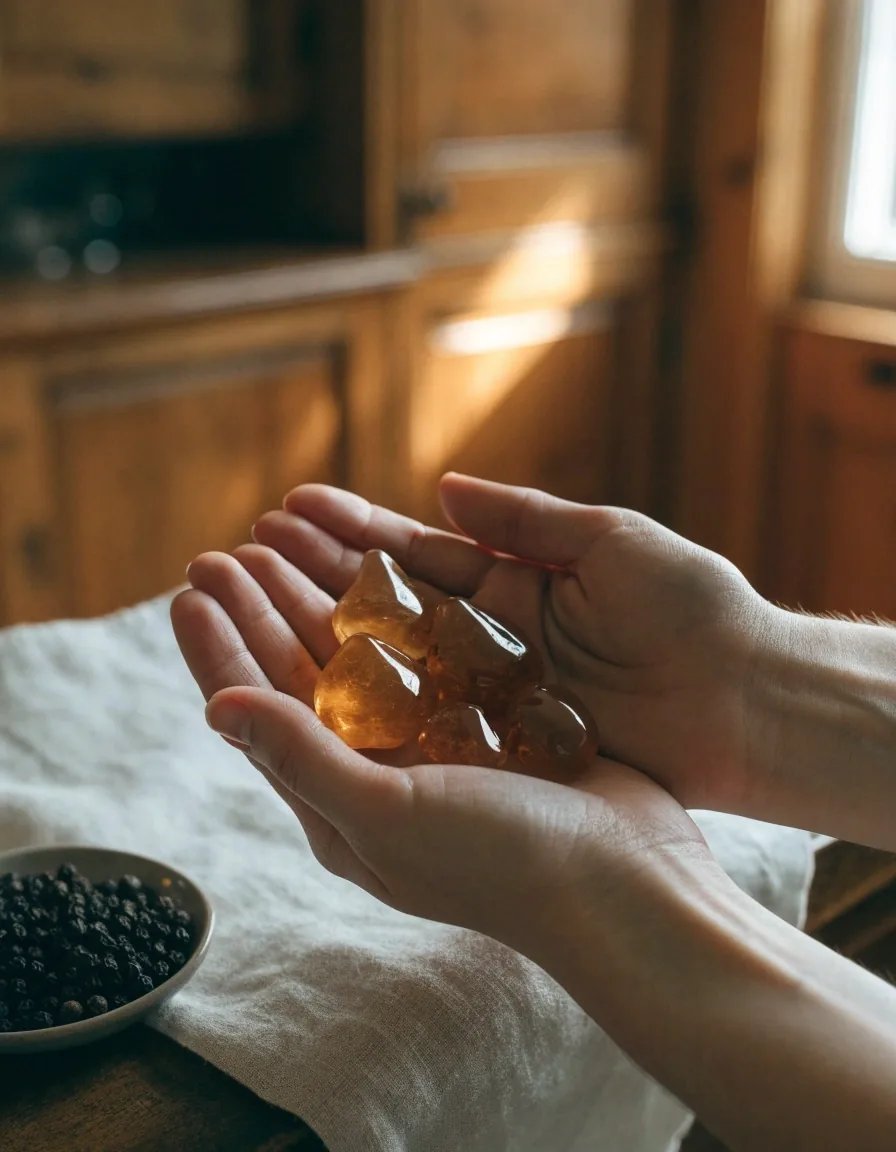
Boswellia resin and black pepper
Boswellia, sometimes called Indian frankincense, is the herb most often positioned next to turmeric in a formula. Bio-Nature Joint Aid Herbal Complex is a clean example: turmeric rhizome extract, boswellia serrata extract and black pepper extract in a vegetable cellulose capsule. The black pepper is not decoration.
Piperine, the compound in black pepper, is included because it is traditionally used to support absorption of other ingredients. Once you notice this three-part pattern on a label, you'll see it everywhere in the category — and it tells you far more than the front of the box about how seriously the formula was built.
Six botanicals, one reading habit
Extract strength first, then the pairing, then the format
Traditional status
Devil's claw has a different status from most herbs on this list. Holland & Barrett describes it as a traditional herbal medicinal remedy, and in the UK that phrase carries regulatory weight. It appears in its own single-ingredient products as well as inside broader formulas such as Gluco Chondro 2700, where it sits alongside glucosamine, chondroitin, MSM, hyaluronic acid and turmeric.
Product copy commonly associates it with backache, muscular discomfort and general aches. It is one of the few herbs in this space that UK shoppers can find in both a herbal and a mainstream supplement aisle — which is exactly why it is worth knowing what the phrase on the label actually means.
Discovery ingredient
Sigesbeckia is named in Holland & Barrett's herbal remedy FAQs and presented there as a herbal medicinal remedy, associated in product language with backache and minor sports injuries. Outside those listings it gets very little attention from consumers, which makes it a useful discovery ingredient if you're comparing formulas properly.
When you see it on a label, it usually signals a formula leaning toward traditional herbal positioning rather than a glucosamine-and-MSM structure.
Outside the capsule
Arnica is the herb you're most likely to meet outside a capsule. Weleda Arnica Massage Balm is a traditional herbal medicinal product for symptomatic relief of muscular pain, backache, minor sports injuries, stiffness, bruising, cramp and sprains, using Arnica montana as its signature botanical. It's also described as vegan-friendly and naturally fragranced with lavender and rosemary.
Arnica's home is the massage balm, not the capsule, which is worth remembering if you're specifically looking for something to rub into a stiff knee.
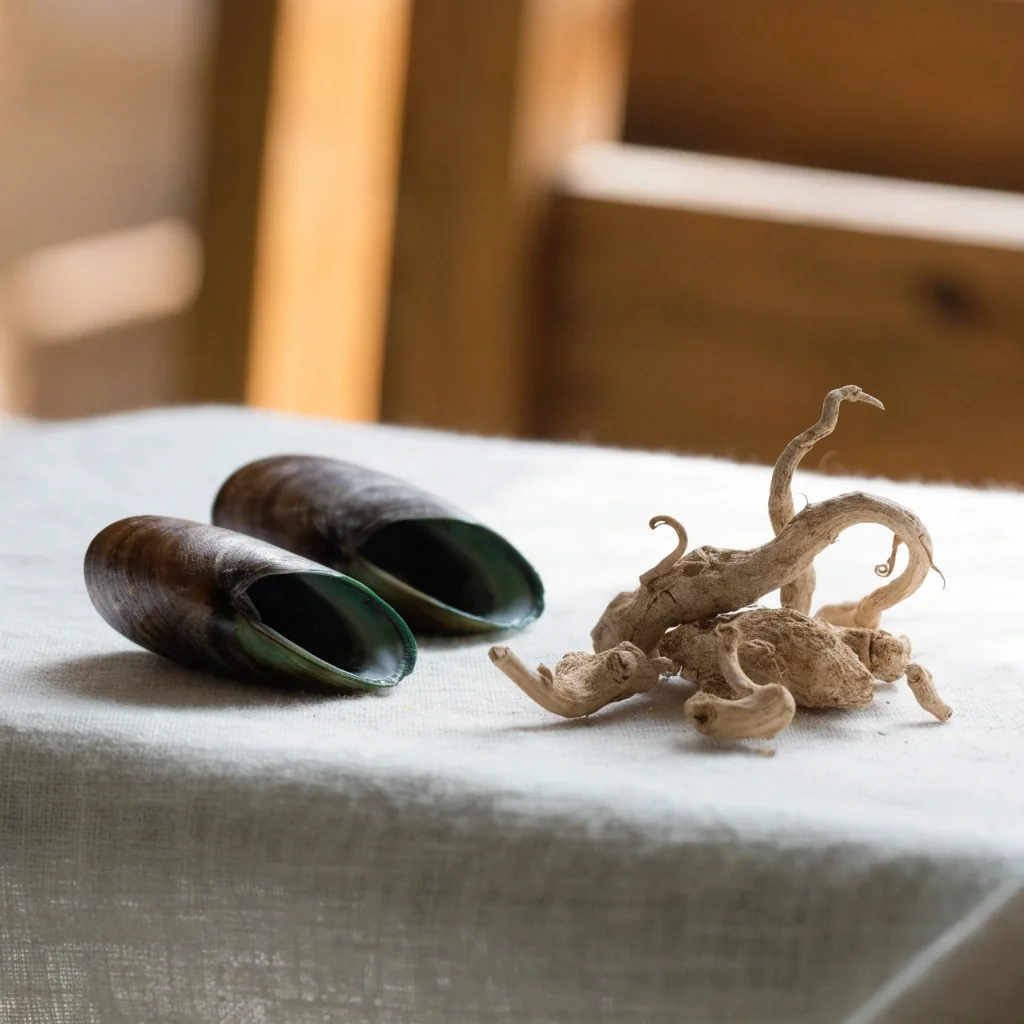
Green-lipped mussel extract usually appears in capsule formulas, but Pernaton Cooling Gel puts it in a topical instead, combined with menthol and essential oils including eucalyptus, peppermint and rosemary. The product is positioned as a natural, drug-free support gel.
It's a good illustration of how the same ingredient name can arrive in a completely different format. If your instinct is to avoid swallowing capsules, this is the category to browse rather than the supplement shelf — a knee pain solution you apply rather than take.
Turmeric · curcuminoid percentage is the number that matters
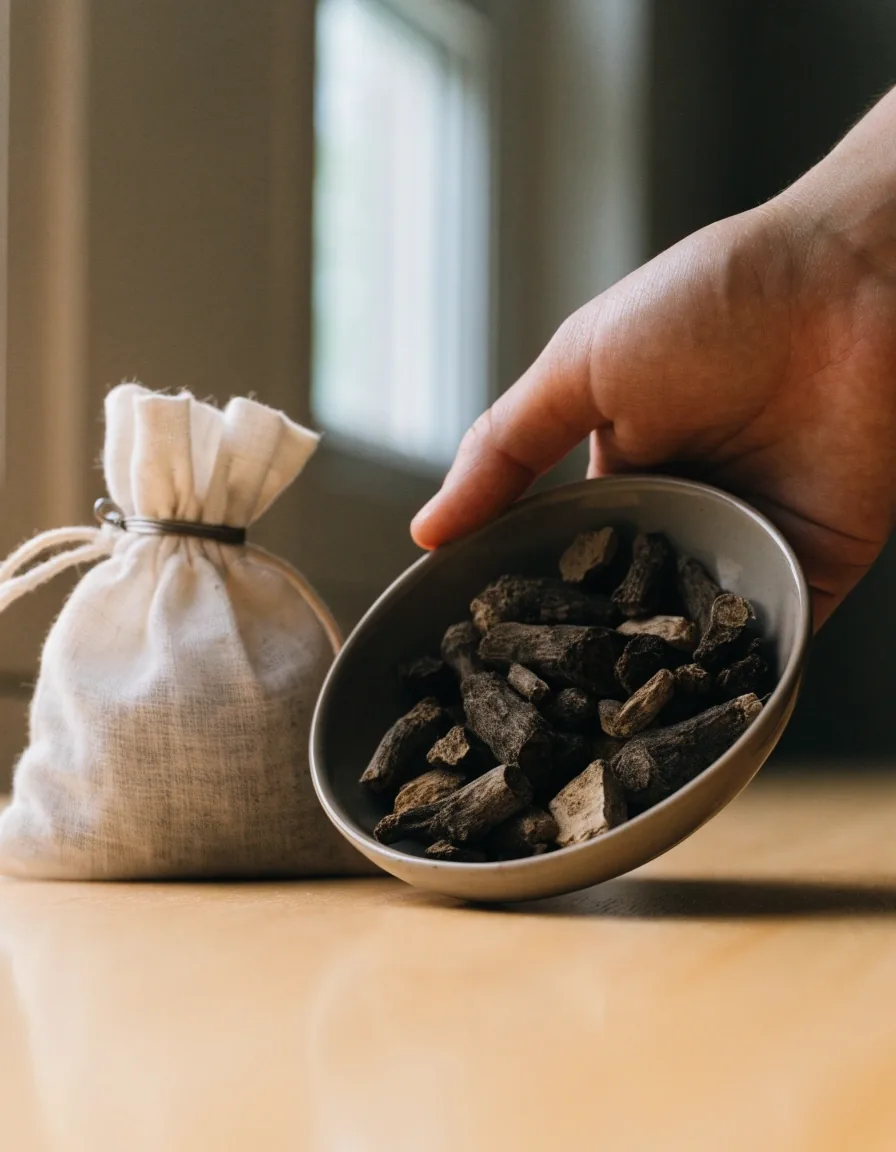
Boswellia · usually the herb set beside turmeric

Devil's claw · described in the UK as a traditional herbal remedy
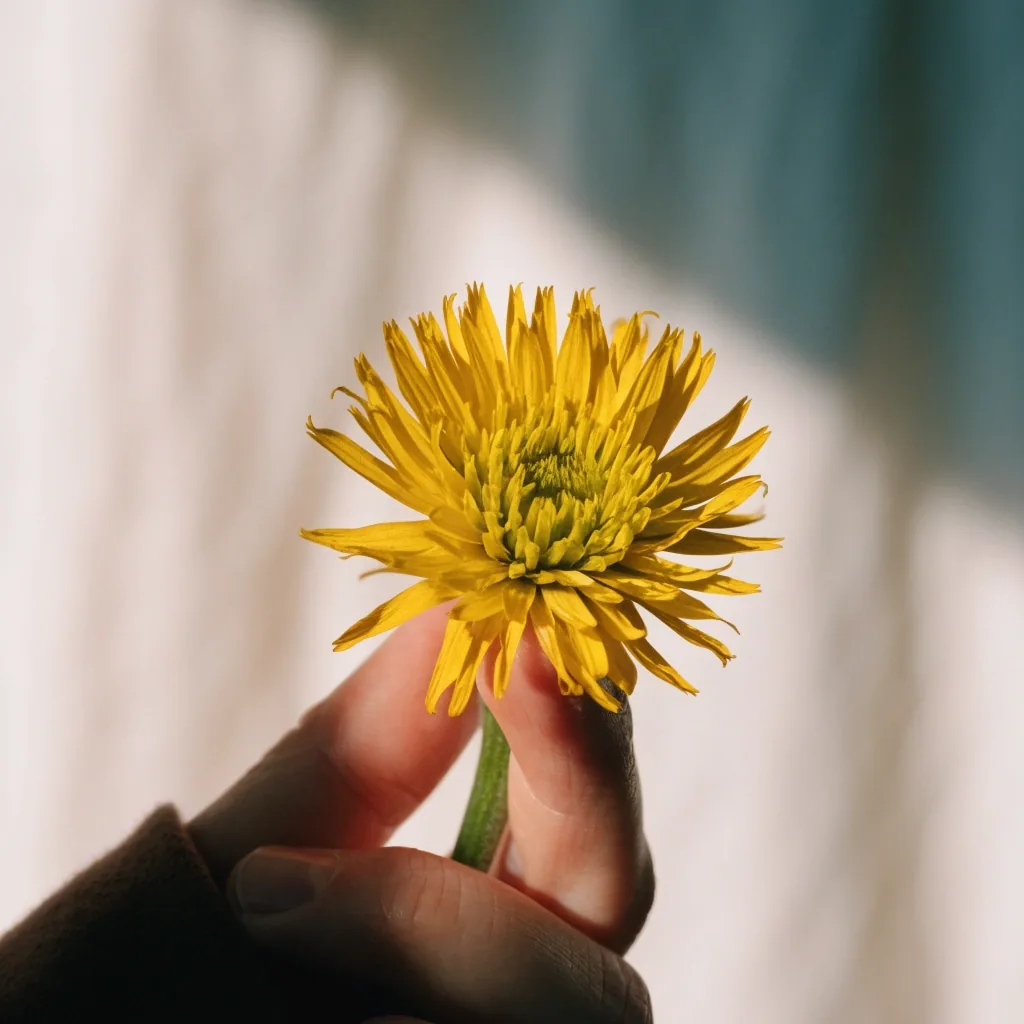
Arnica · found in balms, rarely in capsules
Green-lipped mussel · the same name in a different format
Plain capsules · check how many you take per day
Glucosamine, chondroitin and MSM are not herbs. They're structural compounds, and formulas like Gluco Chondro 2700 and the Zipvit Joint Health collection use them alongside botanicals. Traditional herbal remedies, by contrast, are usually single-herb products registered through a separate UK route.
When you read a label, sort the ingredients into those two groups first. It tells you what kind of product you're looking at far faster than the marketing on the front of the box.
Two groups
Botanicals — turmeric, boswellia, devil's claw, sigesbeckia, arnica. Structural compounds — glucosamine, chondroitin, MSM, hyaluronic acid.
At the shelf
Start with extract strengths, then check whether an absorption partner like black pepper is present, then count how many botanicals versus nutrients the formula contains. A long ingredient list isn't automatically better; it can mean each component is present at a token amount.
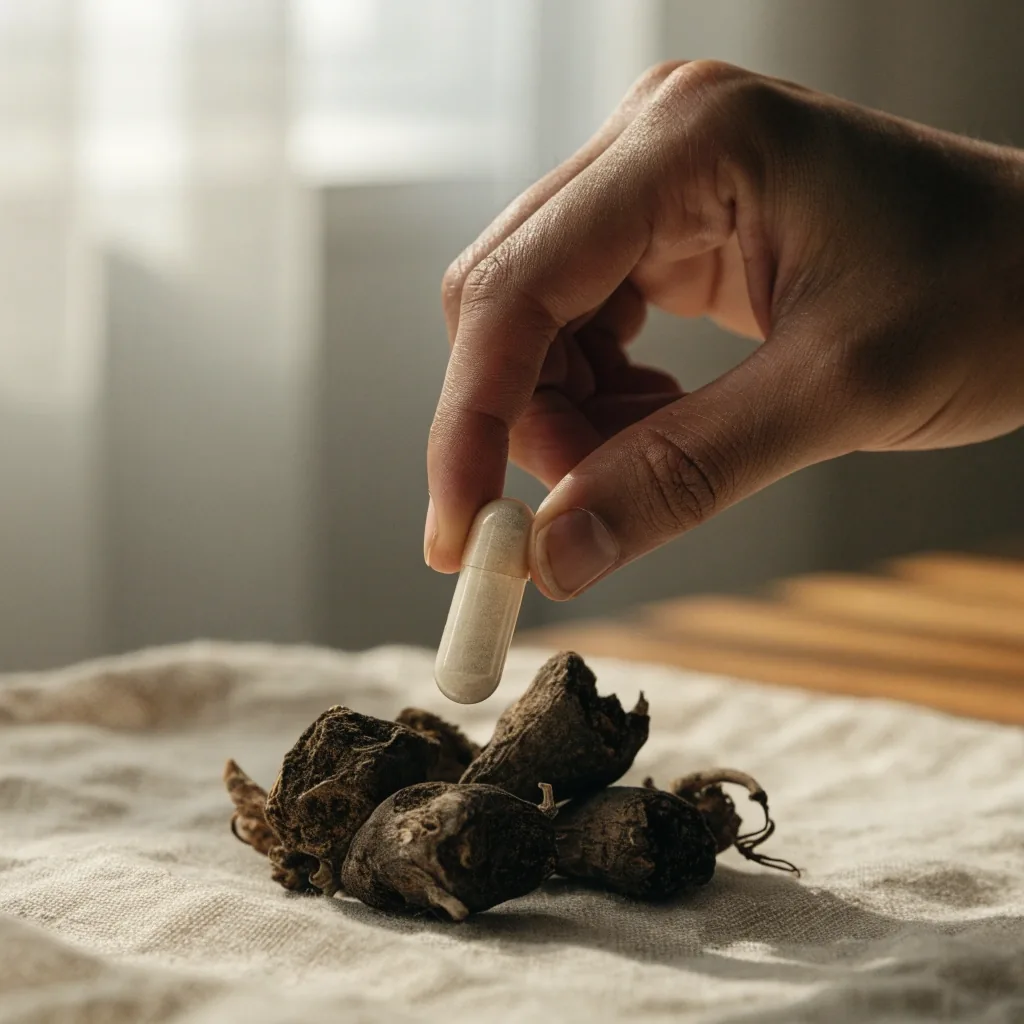
Check the daily dose against the capsule count as well. If a bottle says two capsules twice daily, that's four a day, and a 100-count bottle lasts under a month. That arithmetic matters more than any claim on the front, and it's the fastest way to compare cost per day between two formulas that look identical on the shelf.
It also helps to decide what you actually want before you compare. A single-herb traditional remedy and a broad capsule for body pain are answering different questions. One is a focused botanical with a defined traditional use; the other is a combination built to cover several routes at once.
Neither is wrong. What matters is that you know which one you picked up, and why.
Traditional use is a specific claim
Recognised, not clinically proven
Traditional use is a specific claim: the herb has been used in that way for a long enough period to be recognised, not that a modern trial proved an outcome. That's why product copy for devil's claw and sigesbeckia tends to say traditionally used for rather than clinically shown to.
It's an honest distinction and worth keeping in mind when you compare marketing language across brands. Botanicals can still be worth trying; you just want to know which kind of evidence sits behind the claim. Read ingredient labels the same way you'd read the small print on anything else — slowly, once, and then you'll never have to guess again.
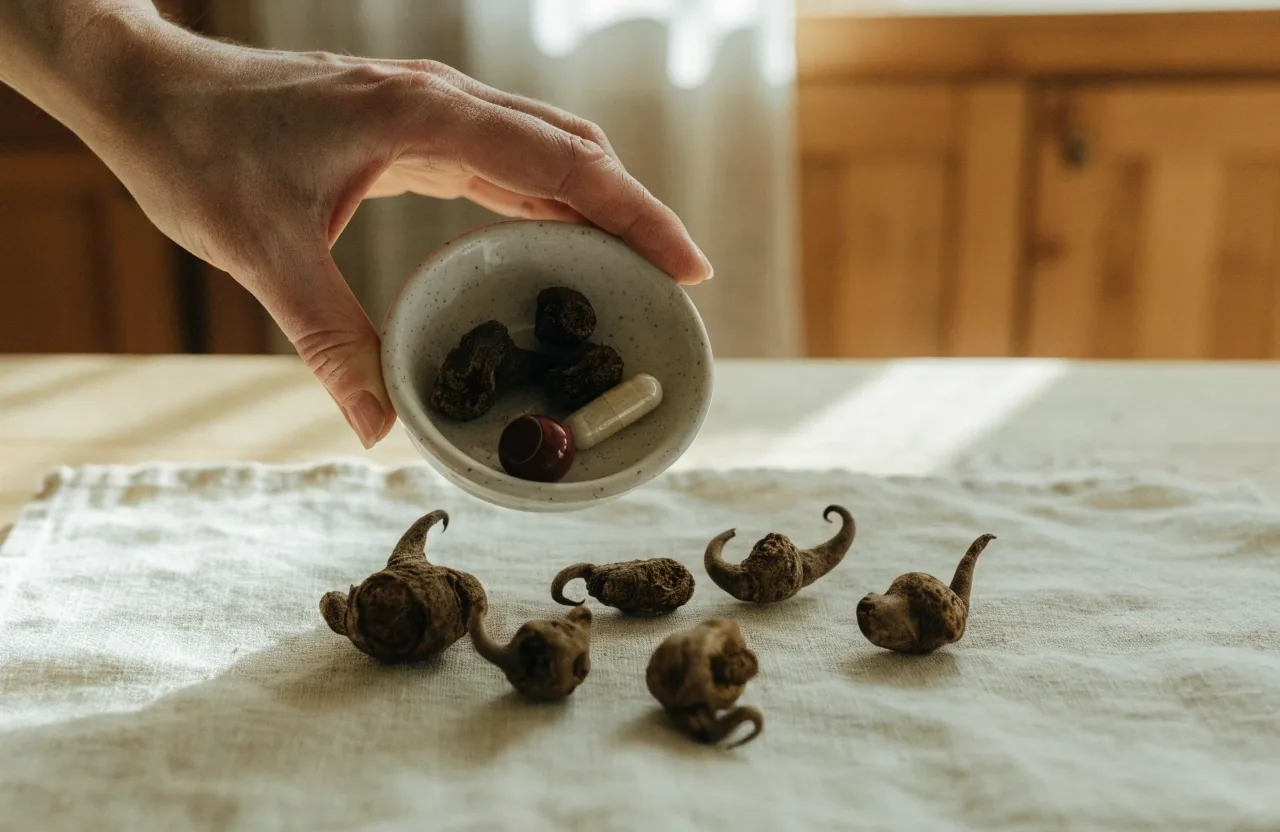
The hybrid trend is the clearest pattern in the current UK market. Gluco Chondro 2700 combines glucosamine, chondroitin, MSM, devil's claw, hyaluronic acid and turmeric in a single product, while Zipvit Joint Health builds its collection around glucosamine, chondroitin and turmeric.
Formulas like these are trying to cover both the structural and the botanical argument at once. Whether that's better than a focused single-herb product depends on what you're after, and it's a question we return to in the product comparison section.
Look at the product comparison table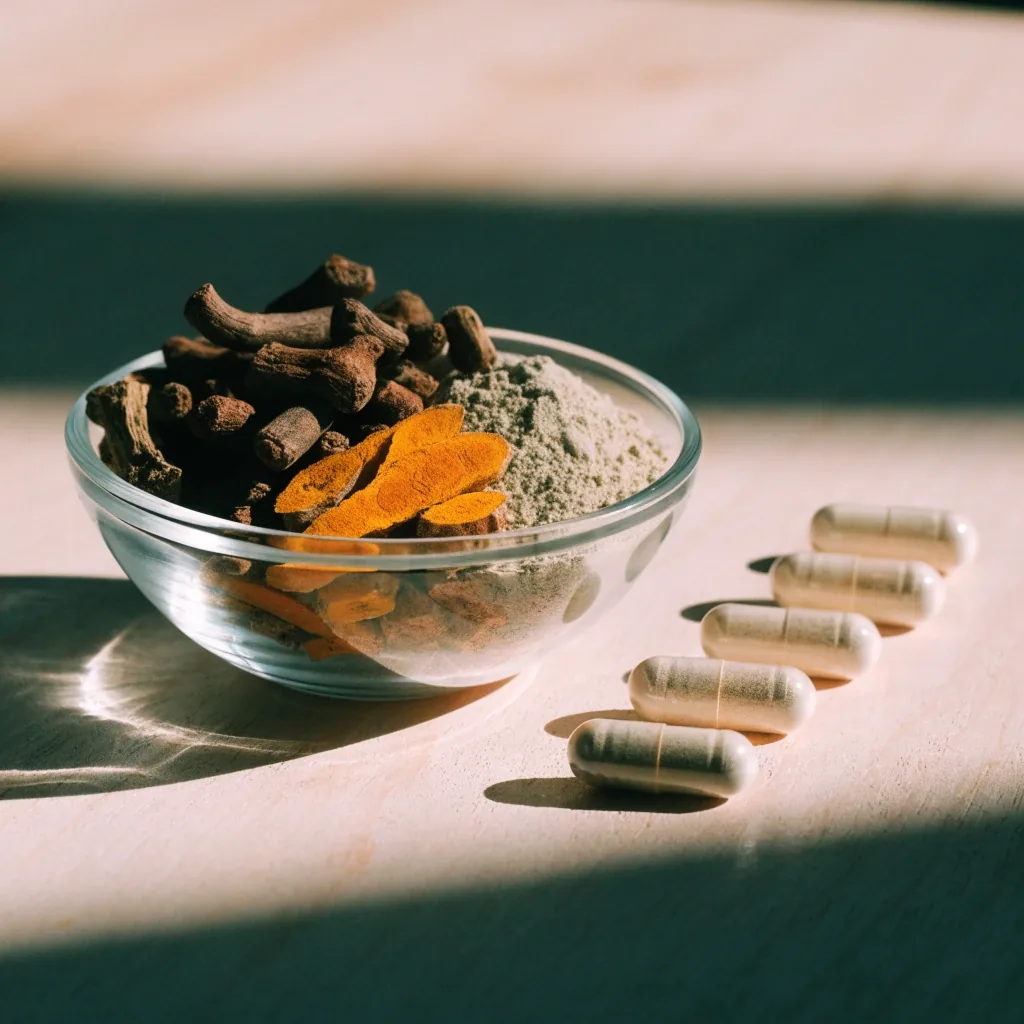
Often, yes. Black pepper extract provides piperine, which formulators include to support absorption of the other botanicals.
In the UK it's commonly described as a traditional herbal medicinal remedy, which is a different regulatory category from an ordinary food supplement.
It's less familiar to shoppers than turmeric, so it tends to appear in traditionally positioned formulas rather than mainstream ones.
It's far more common in topical balms and massage products than in capsule formulas.
Continue reading
You know the six herbs and how to read them on a label. The rest is format and routine: which products combine them, what to reach for if you'd rather not swallow capsules, and how natural joint care fits an ordinary week.