

Single-herb capsules
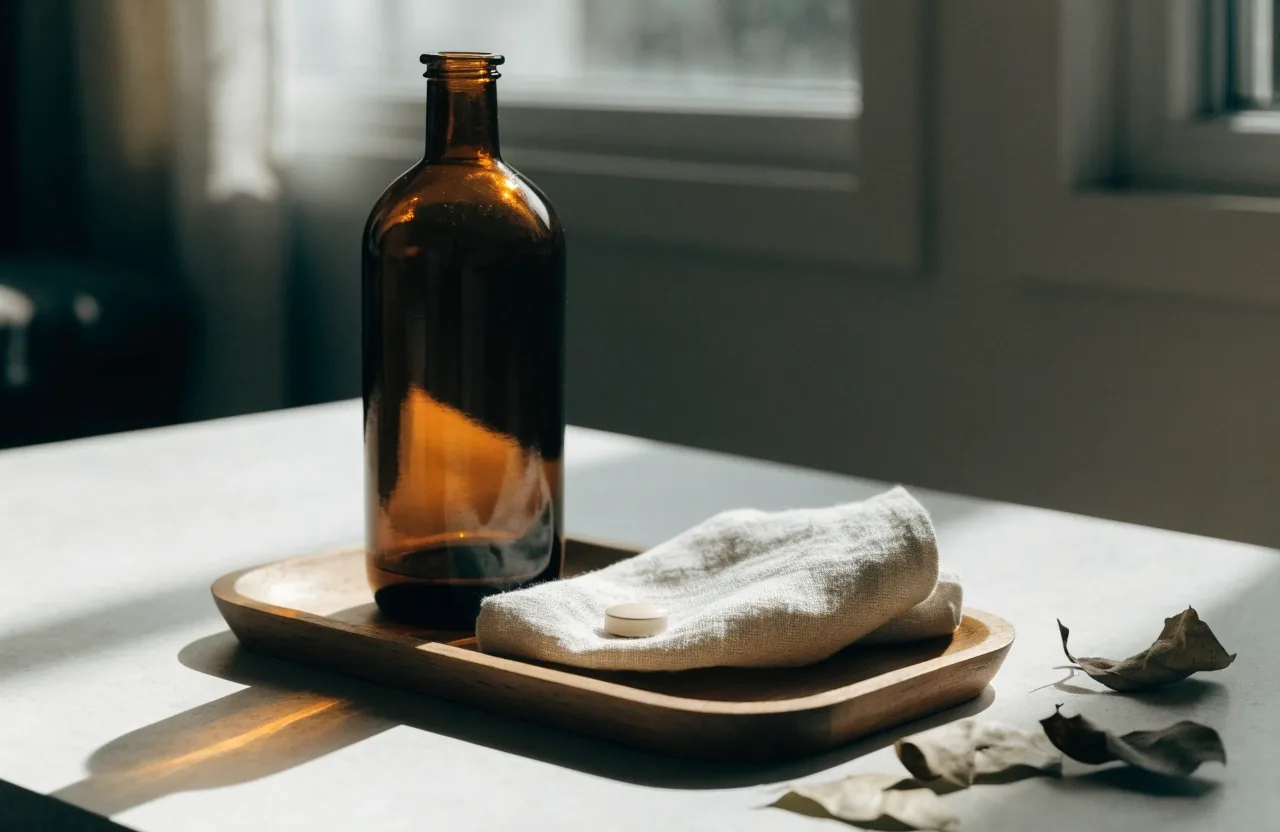
One botanical, one job. Standalone devil's claw products keep the label short and the routine easy to reason about.
42 Thistlewood Lane, Manchester M14 5TQ, United Kingdom
Monday to Friday, 9:00 AM – 6:00 PM
© 2026 Nordic Cairn Joint Care
Capsule routines for everyday joint support
Most joint capsules don't fail because the capsule did anything wrong. They fail because the routine never stuck. This page is about the practical side: when to take them, how to read a label, what formats exist, and how to set expectations that survive a normal week.

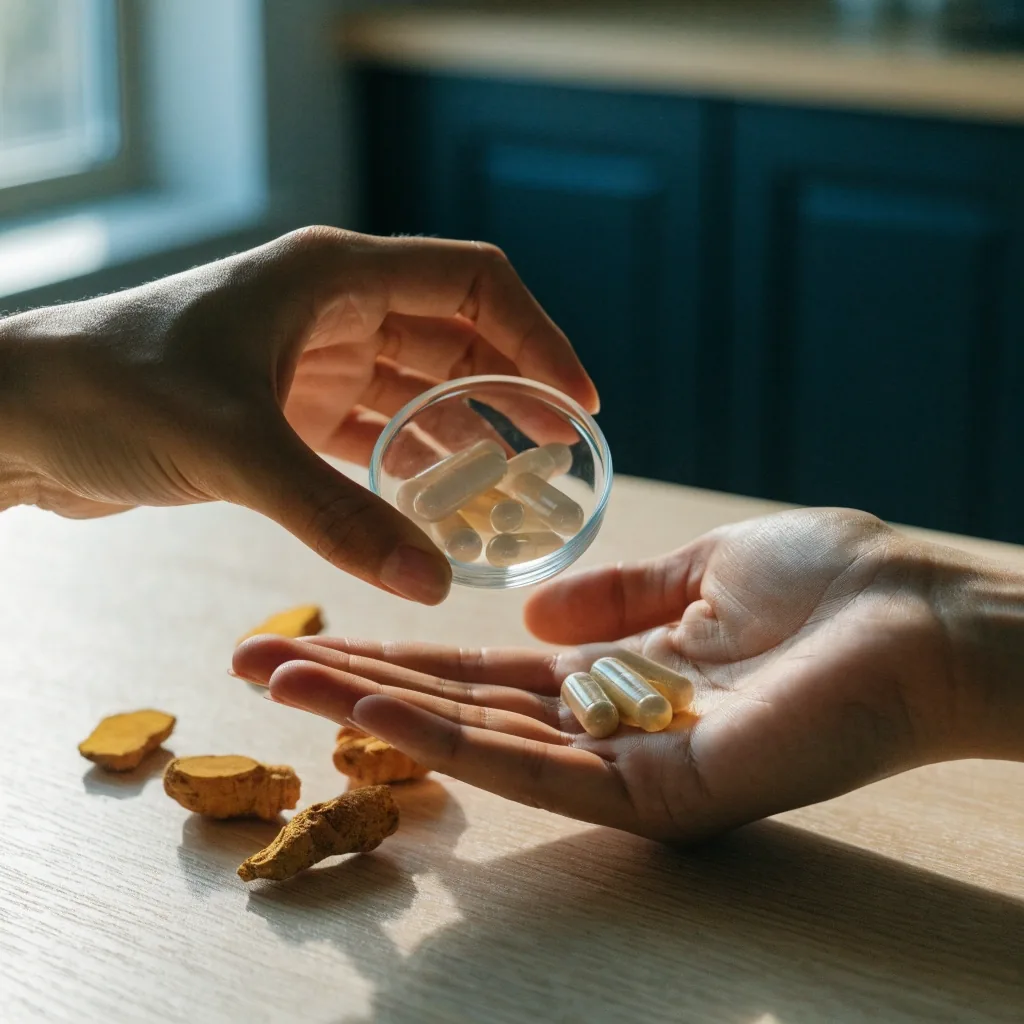

Pick one product. Take it at the same time daily. Decide in advance when you'll look at whether it's worth continuing.
The routine issue · Timing, dose maths, label reading
Nordic Cairn Joint Care · editorial resource, UK
Breakfast is the most common anchor because it is the meal people are least likely to miss. If you don't eat breakfast, attach the capsule to something else you do every morning without thinking: the kettle, the first email, brushing your teeth. The specific time matters far less than the repetition.
Splitting a dose across morning and evening works for some formulas, but only if the label supports it. Check before you improvise. Two smaller intakes are not automatically gentler or more effective than one; they are simply a different routine, and they demand a second daily habit you have to remember.
If your mornings are chaotic, an evening slot after brushing your teeth is often the more honest choice. Whatever you pick, put it somewhere you will physically meet it: beside the coffee tin, on the shelf by the door, next to the bathroom mirror. A bottle in a cupboard behind three other things is a bottle that gets forgotten by week two.
Many UK joint capsules are aimed at once- or twice-daily use, and that single detail changes the maths considerably. Before comparing prices, work out the cost per day, not the cost per bottle. The two bottles below look different on the shelf and run out at the same time.
Twice a day, 100 capsules
Once a day, 50 capsules
Holland & Barrett's Muscle & Joint Pain Relief range includes both 50 and 100 capsule counts for exactly this reason: the same product, priced for a different stretch of habit. If you know you will only manage one capsule a day, buying the 100-count of a twice-daily formula just means the bottle sits half-used while the expiry date crawls closer.
The category has settled into a few recognisable shapes. Each format implies a different routine and a different daily cost, so it helps to know which one you are looking at before the price tag does the talking.
One botanical, one job. Standalone devil's claw products keep the label short and the routine easy to reason about.
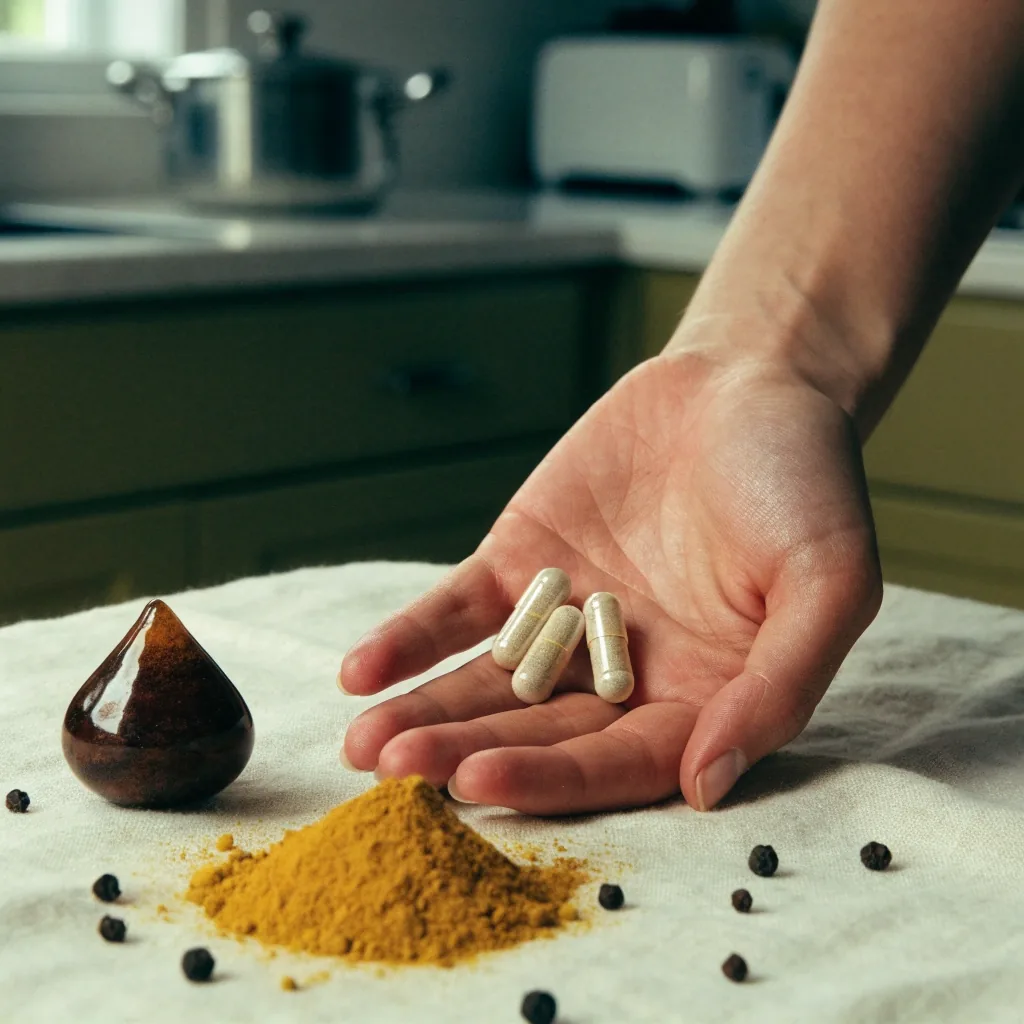
Several herbs in one capsule, such as a turmeric, boswellia and black pepper formula. More ingredients to check against each other.

Glucosamine, chondroitin, MSM and botanicals together, as in Gluco Chondro 2700. The longest label, and the one worth reading twice.
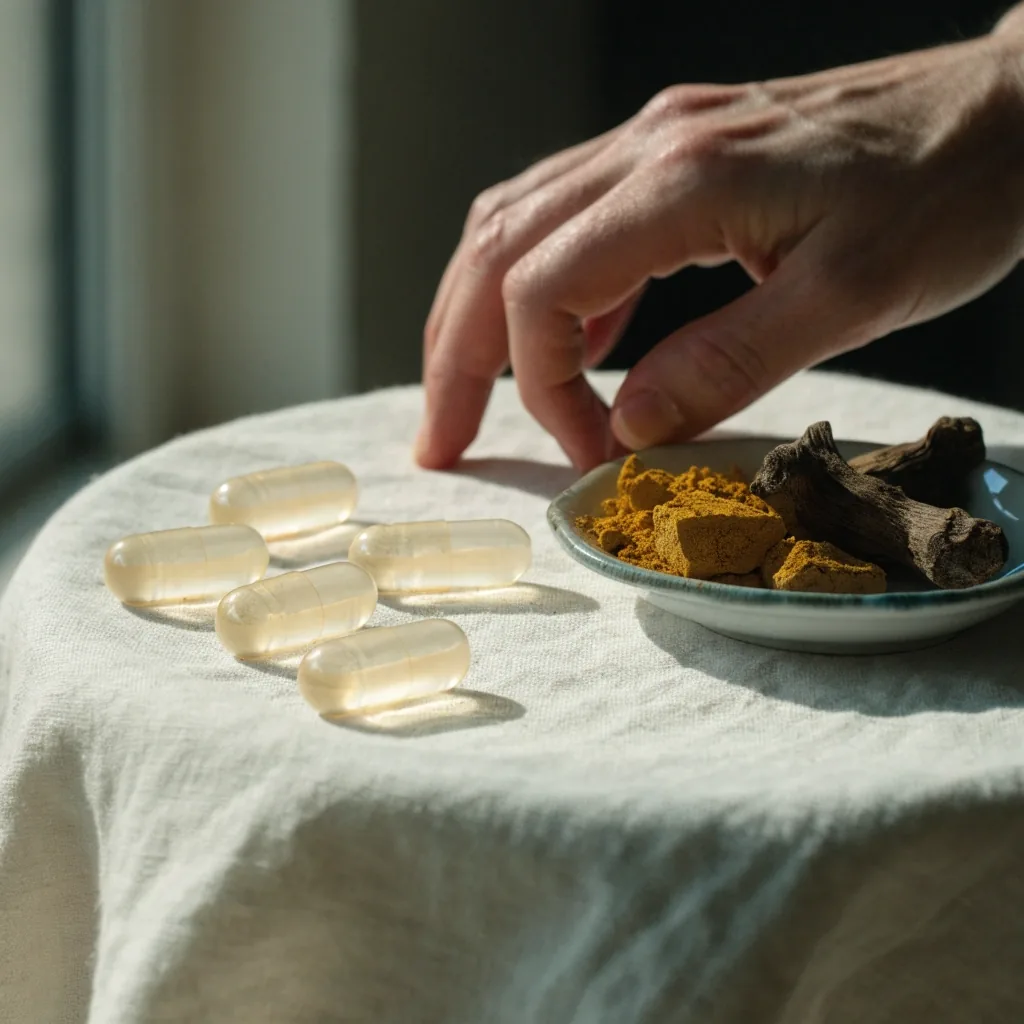
Built-around ranges such as Zipvit Joint Health, grouped by glucosamine, chondroitin and turmeric across several products.
Nothing here is a recommendation for one shape over another. A single-herb capsule is simply easier to reason about if you are new to the category; a hybrid complex asks more of your label reading and more of your daily habit. The right answer depends on what you can actually stick to.
Start with the ingredients list rather than the front of the pack. The front is written to be sold; the ingredients list is written to be checked. Note whether the formula is botanical-led, nutrient-led, or a hybrid of the two, because that tells you what you are actually comparing.
Check the extract strength on any herb. Turmeric at 95% curcuminoids is not the same as turmeric powder, and the difference between them is not a marketing flourish. Then look for an absorption partner such as black pepper extract; some formulas include one, some don't.
Next, read the daily dose and the capsule count together. A label that says two capsules daily means the bottle figure on the front is only half the story. Finally, note whether the capsules are vegetable cellulose or gelatine if that matters to you. Bio-Nature Joint Aid Herbal Complex, for example, uses vegetable cellulose capsules.
If anything on the label is unclear, write the question down before you buy rather than after. A pharmacist can answer most of them in a couple of minutes.

Herbal ingredients don't work like painkillers. There is no switch that flips an hour after swallowing. Products in this category are generally positioned around maintaining joint health and supporting everyday comfort rather than producing a rapid effect, so the sensible window for judging anything is weeks, not days.
Set a review date in your calendar, somewhere around the six to eight week mark, and actually look at whether your routine feels worth continuing. Deciding in advance stops you from either giving up too early or drifting on indefinitely out of habit.
That review date is also the honest moment to check the maths again. If the bottle is going to run out before your review, you either bought a bottle that didn't match the routine you set, or the routine has quietly changed to something you weren't planning. Either way, better to notice at week six than at week twenty.
Keep bottles somewhere dry and out of direct sunlight, and check the expiry date when you buy rather than when you finish. A bottle bought with six months left is a different proposition from one bought with six weeks left, even when the price is identical.
If you travel, decant only what you need for the trip into a labelled pill box, but keep the original packaging for the ingredient list and dosage instructions. That way, if a pharmacist or a customs officer asks what you are carrying, you have the answer to hand rather than half-remembered.
Some people find capsules easier to remember when they live in a visible spot rather than a cupboard. It sounds trivial; in practice it is often the difference between a routine and a forgotten bottle at the back of a shelf.
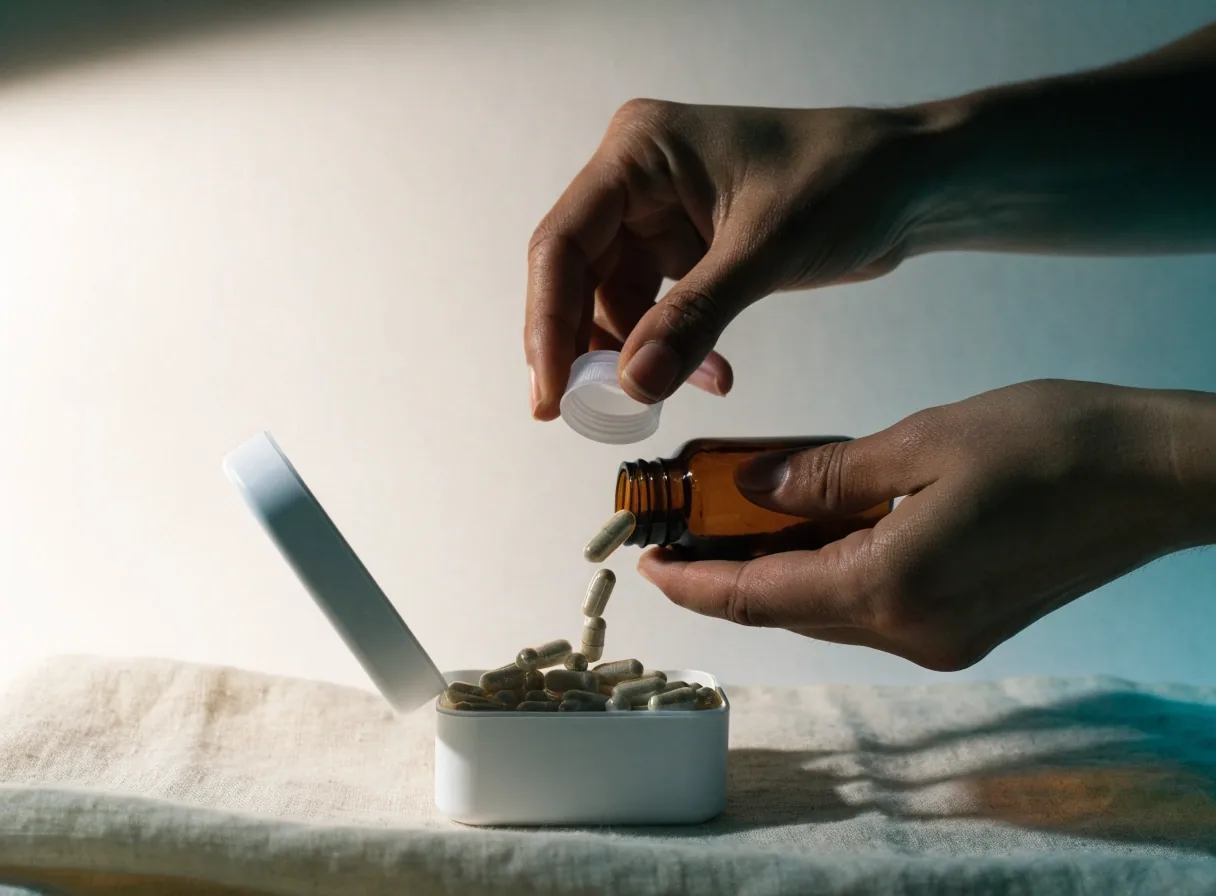
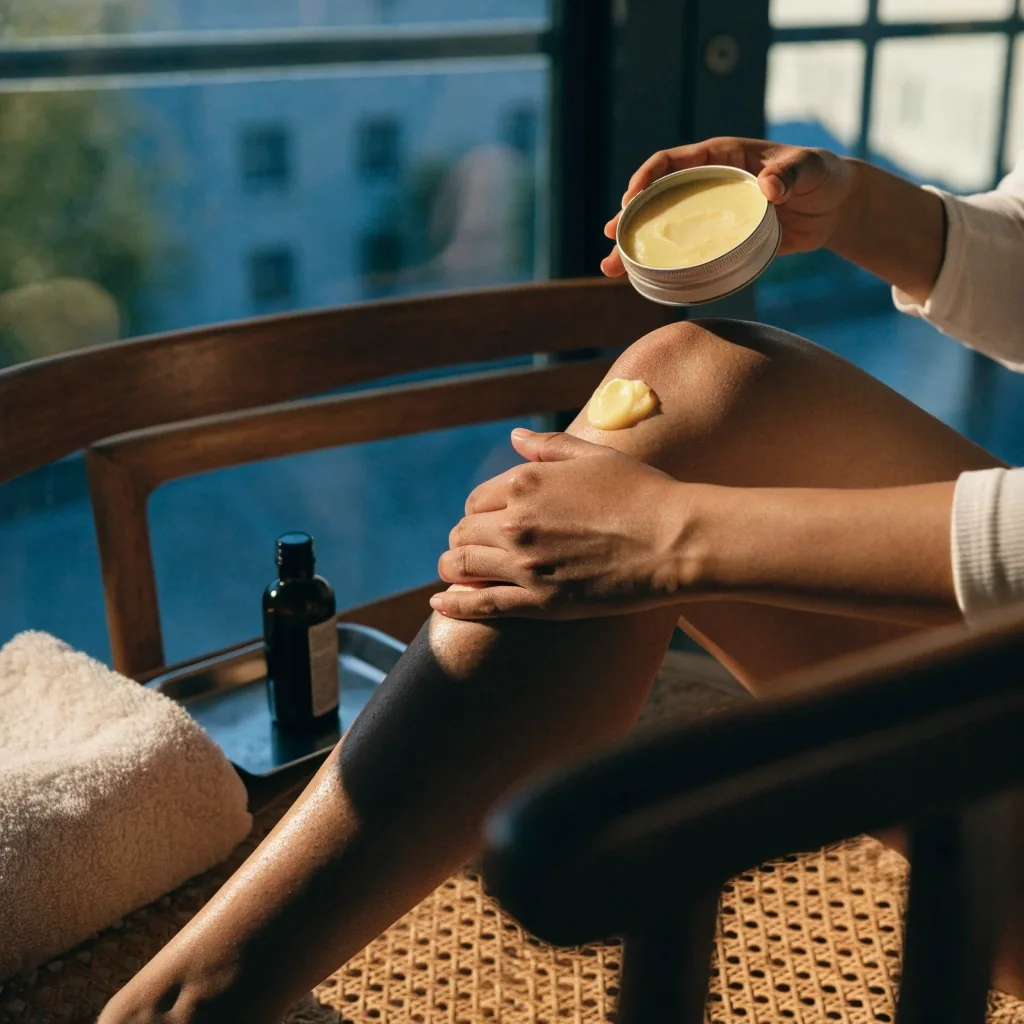
A capsule is one input among several. Gentle daily movement, a short warm-up before activity and regular changes of position all do real work for comfortable movement. A joint pain aid in a bottle is easier to keep up with when the rest of your day isn't spent sitting still.
The everyday mobility section of this site covers practical, non-medical habits you can add without a gym membership. Think of the capsule as part of a routine that includes moving, not as a replacement for it.
See the everyday mobility sectionKeeping the first attempt narrow means you actually learn something from it, rather than guessing which of several new habits helped. If you are new to the category, a botanical-led formula is a simpler place to start reasoning than a long hybrid list.
The anchor matters more than the hour. Attach the capsule to something you already do at the same point every day, and the routine borrows that reliability instead of relying on your memory.
A note in pen on the side of the bottle is enough. It turns an abstract "I started taking it at some point" into a date you can actually check against your review window.
Then decide whether to extend. Restraint here is what makes the four weeks informative rather than a general period of trying things.
Short, practical answers, and where to take anything that needs a personal view.
Follow the label. Many products suggest taking them with a meal, and it is usually the easier habit to remember anyway.
Products in this category are generally positioned around ongoing joint support rather than rapid effects, so a review window of several weeks is more realistic than a few days.
That risks duplicating ingredients. Check both labels with a pharmacist before stacking anything.
No. Consistency across days matters more than precision within a day.
If you take prescription medication, are pregnant or breastfeeding, or are managing a diagnosed condition, talk to a pharmacist or GP before starting any supplement, herbal or otherwise. That includes single-herb products, which are not automatically gentler than complex formulas. Bring the label with you so the conversation is specific.
Continue reading
This page covers the capsule half of a joint-support routine. The other guides on this site cover the ingredients inside the capsule, the non-capsule formats, and the day-to-day habits that work alongside both.
This site is an editorial resource about herbal joint-support products and routine. It cannot give individual advice, and any page that claims to should be treated with suspicion. For personal guidance, speak to a pharmacist or GP.