
Walking
Whatever distance fits the day
A fifteen-minute walk after a meal is easy to repeat and easy to shorten on a bad day. It keeps the knees and hips moving through their range without asking for much.
42 Thistlewood Lane, Manchester M14 5TQ, United Kingdom
Monday to Friday, 9:00 AM – 6:00 PM
© 2026 Nordic Cairn Joint Care

Warm-up before the walk
Turmeric
Arnica
Mobility is rarely a gym project. It is a handful of small habits you can repeat on an ordinary weekday, and a capsule or a balm is only ever part of that picture.
Start here
The simplest change with the broadest reach is cutting down long unbroken stretches of sitting. If you work at a desk, standing up for two minutes every hour does more for how your hips and knees feel than most things you can buy. Set a phone timer if you need the nudge. The goal is not exercise; it is interrupting a static position before stiffness sets in, because stiffness that quietly accumulates over a full day is harder to shake off than stiffness you never let build in the first place.
It helps to attach the break to something you already do. Stand while the kettle boils. Stand during the first minute of every phone call. Walk to the far kitchen for water instead of the nearest tap. None of these are training, and none of them take equipment, which is exactly why they survive a busy week when a scheduled session would not.
The two-minute rule
A short break every hour protects your hips and knees more reliably than one long stretch at the end of the day. Frequency beats duration for everyday comfort.
Related reading
Before the activity
Five minutes of gentle movement before a walk, a stair climb or a session in the garden changes how the whole thing feels. Circles at the ankle, a few slow knee bends, a short lap around the room. You are not training; you are telling the joint it is about to be used.
People who skip this tend to notice it two hours later rather than during the activity. That delayed cost is exactly why the habit gets dropped and exactly why it is worth keeping — the feedback arrives too late to teach you anything in the moment.
A five-minute warm-up you can do indoors
Stop short of anything sharp. Mild warmth across the joint is the signal you are looking for; a stinging sensation is a signal to ease off.
Movement you will actually repeat
The test is not intensity. It is whether you would still do it on a Tuesday in February.
The best mobility habit is the one that survives a bad week. Walking counts. Swimming counts, and it takes load off the joints while you do it. So does a short daily stretch routine, or taking the stairs when you would normally take the lift.
Pick something that passes the February test before you add anything else to your week. Building strong and healthy joints is less about finding the ideal routine and more about not abandoning an ordinary one.
Walking
A fifteen-minute walk after a meal is easy to repeat and easy to shorten on a bad day. It keeps the knees and hips moving through their range without asking for much.
Swimming
Water supports the body, so the joints work through a full range while carrying far less weight. Good choice when walking feels heavy on a particular day.
Daily stretching
Calf, hamstring and hip flexor covers most of what a desk-based week tightens up. Short and repeatable matters more than complete and impressive.
Stairs
Taking the stairs instead of the lift works the knee and hip through a full bend without any session to plan, schedule or remember.
Where support fits
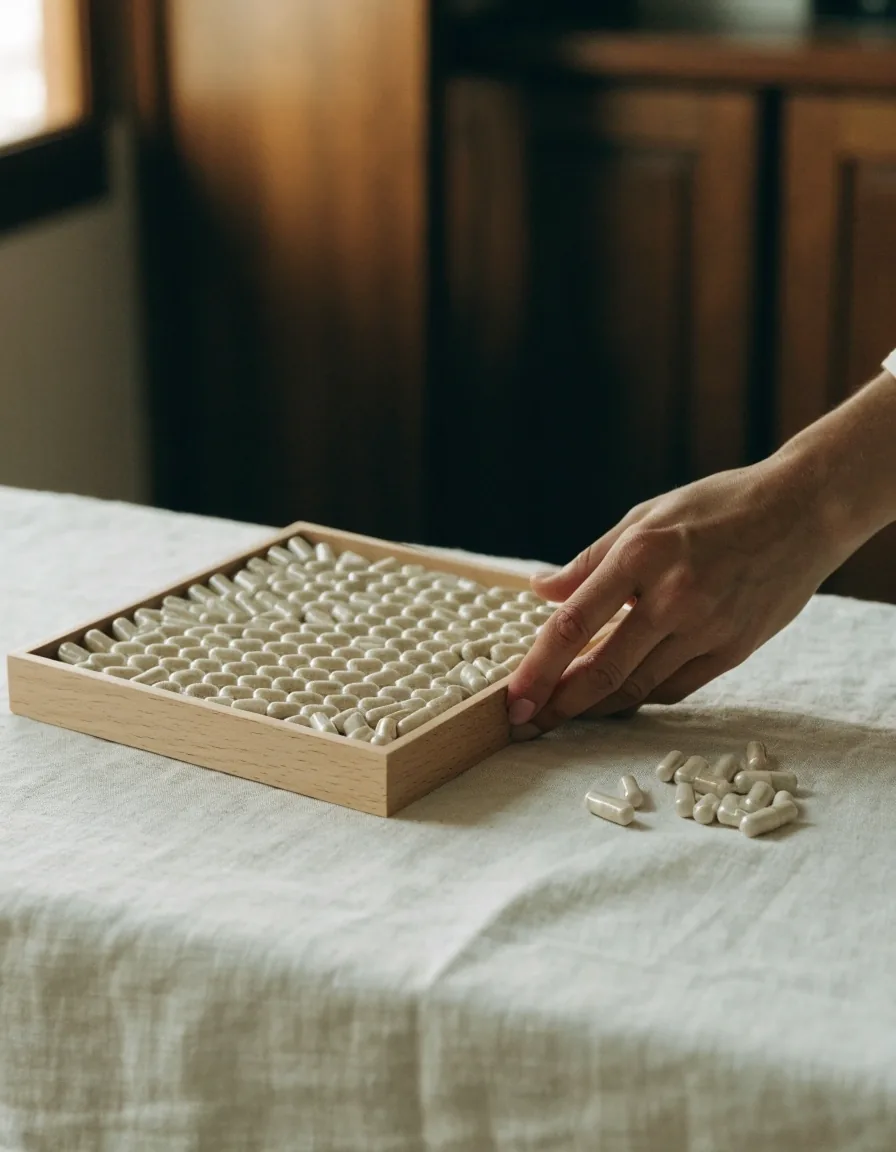
Capsules and topicals are support, not the main event. Gluco Chondro 2700, Bio-Nature Joint Aid Herbal Complex and the Zipvit Joint Health collection are all positioned around maintaining joint health and everyday comfort rather than producing immediate effects, so they make more sense as part of a routine than as a response to a bad day.
If you use a joint capsule, take it at a consistent time — with breakfast, say, rather than whenever you remember. Capsules for healthy legs and everyday movement work on the same principle as the movement habits above: repetition, not intensity. If you use a balm or gel, apply it around activity rather than at random, so the routine and the product reinforce each other instead of competing for your attention.
This is where an effective joint remedy earns its place in a week. It sits beside the walk and the warm-up, not in front of them, and it is judged over weeks rather than hours.
Two ways to keep it consistent
Anchor the dose to a meal you never skip. Same time, same place, every day, so it stops being a decision.
Apply around activity rather than at random. A few unhurried minutes of working the area is part of the habit, not an extra step.
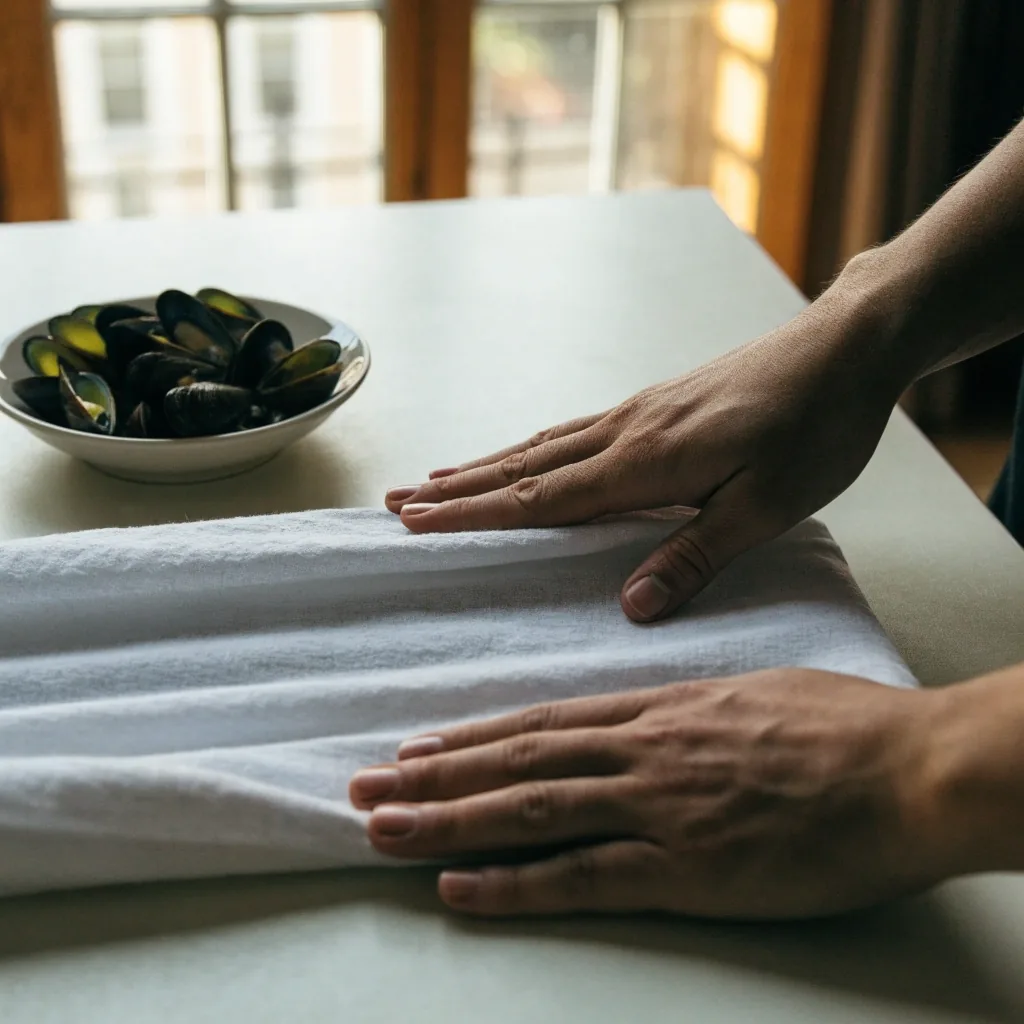
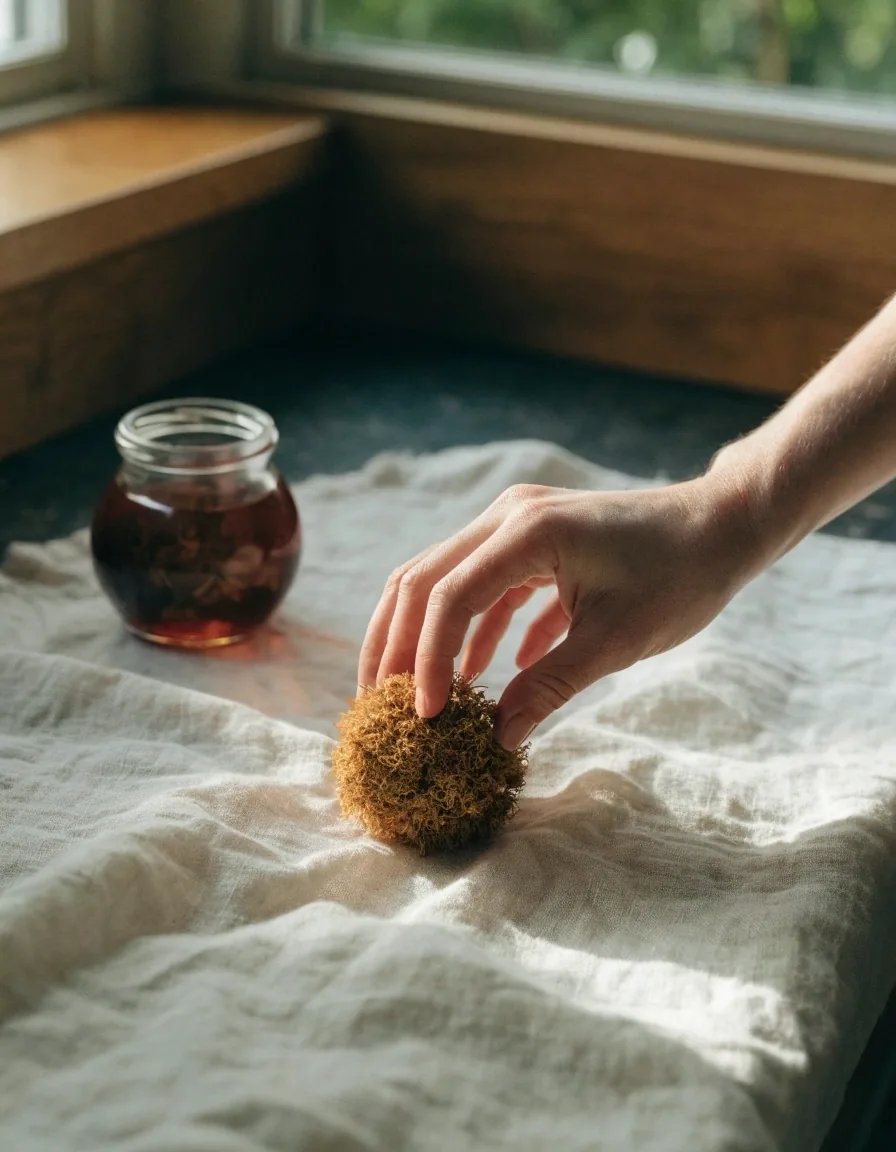
A cooling gel like Pernaton, built on green-lipped mussel extract with menthol, eucalyptus, peppermint and rosemary, is typically used after activity rather than before it, once you have cooled down. A massage balm such as Weleda Arnica, a traditional herbal medicinal product for muscular pain, stiffness, minor sports injuries and sprains, suits a few minutes of working the area afterwards.
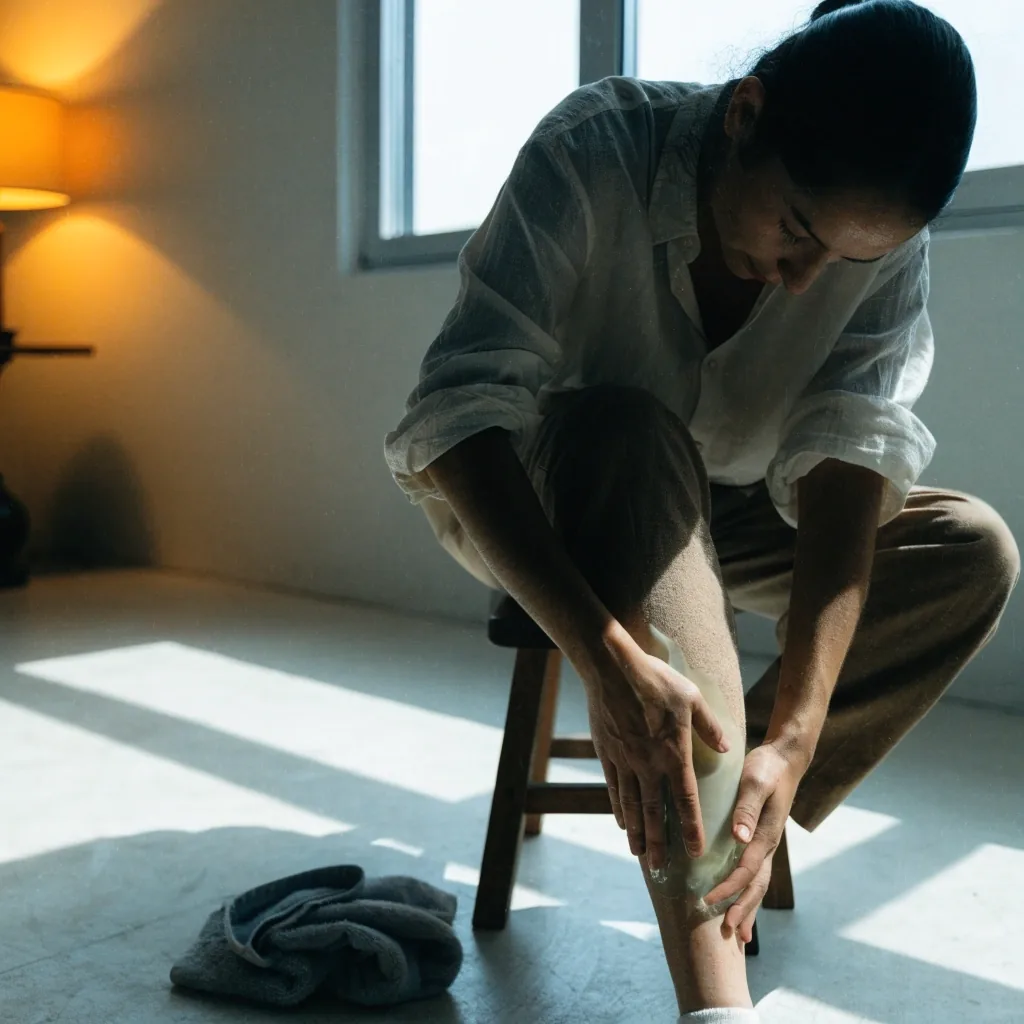
After activity
Cooling gel once you have cooled down
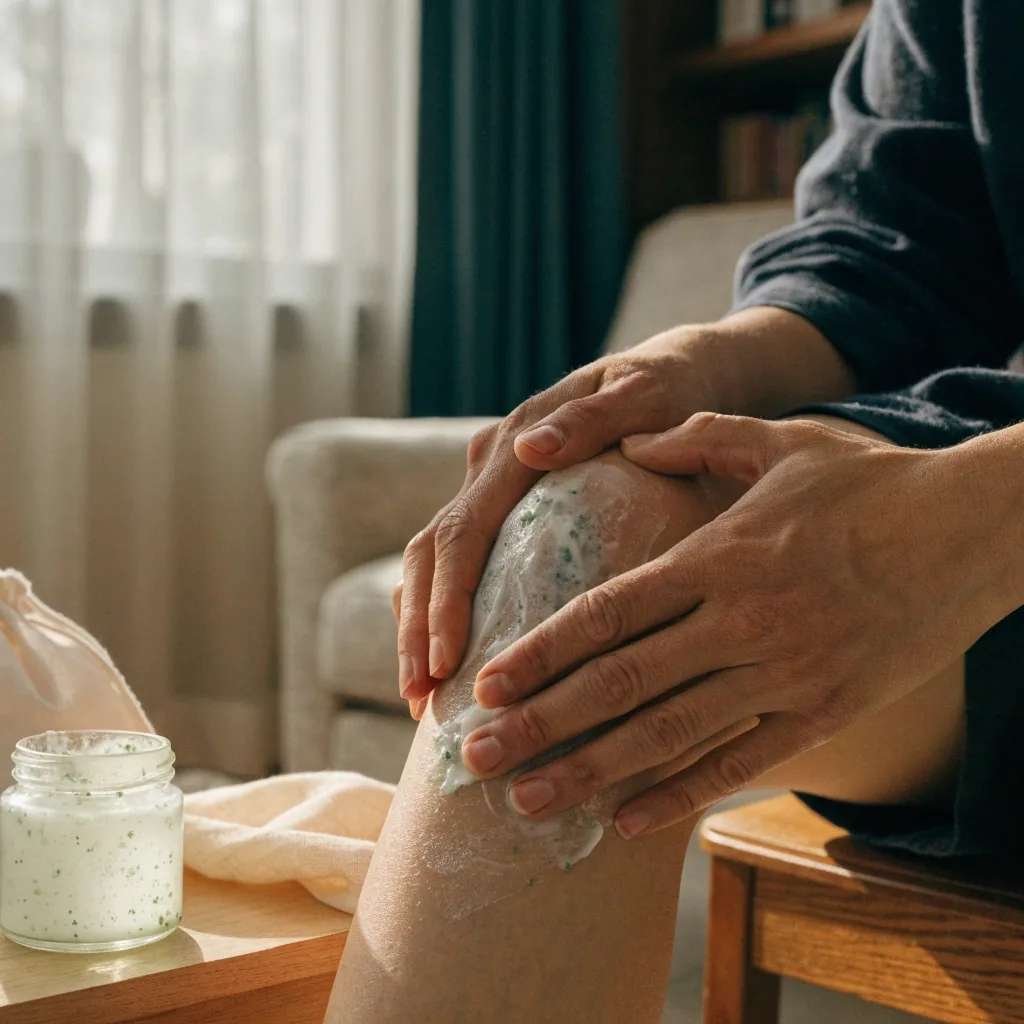
Evening
A few unhurried minutes on the area
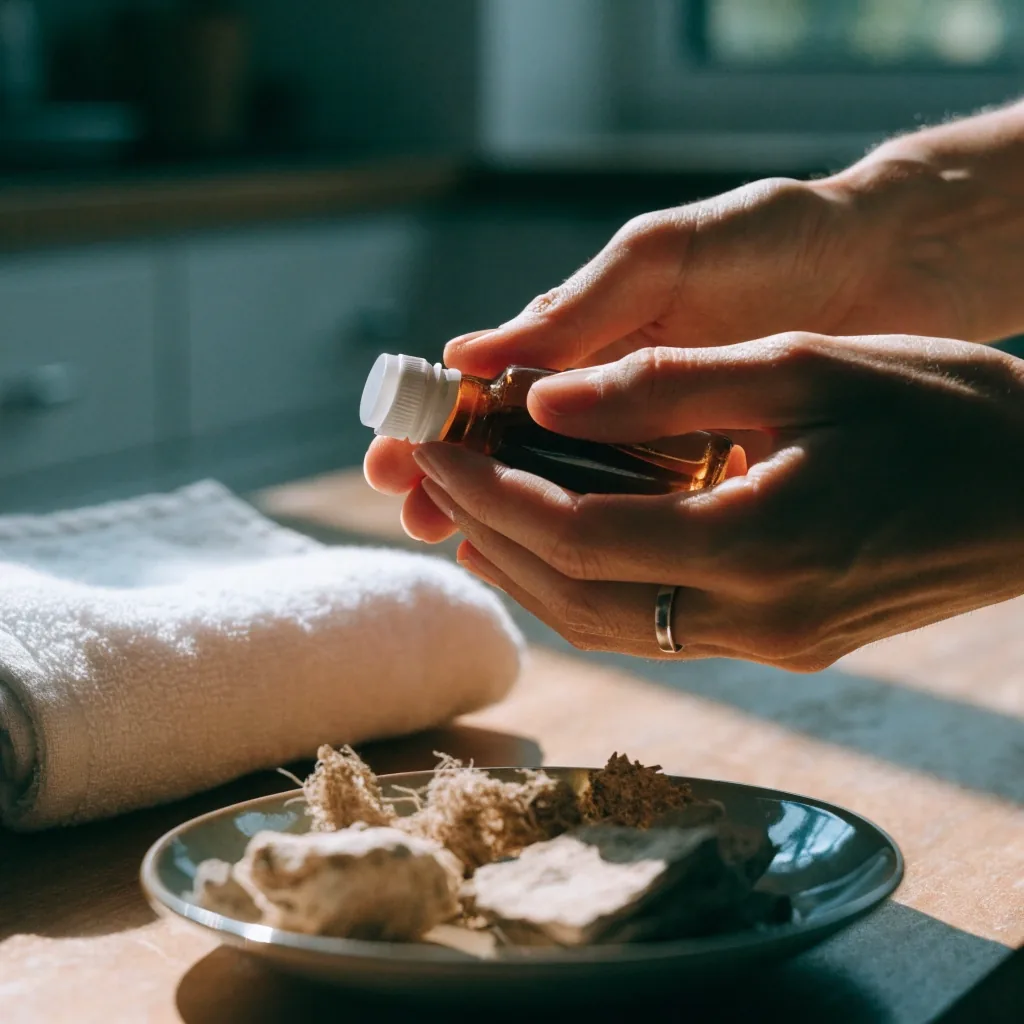
Kitchen counter
Keep the routine where you already stand
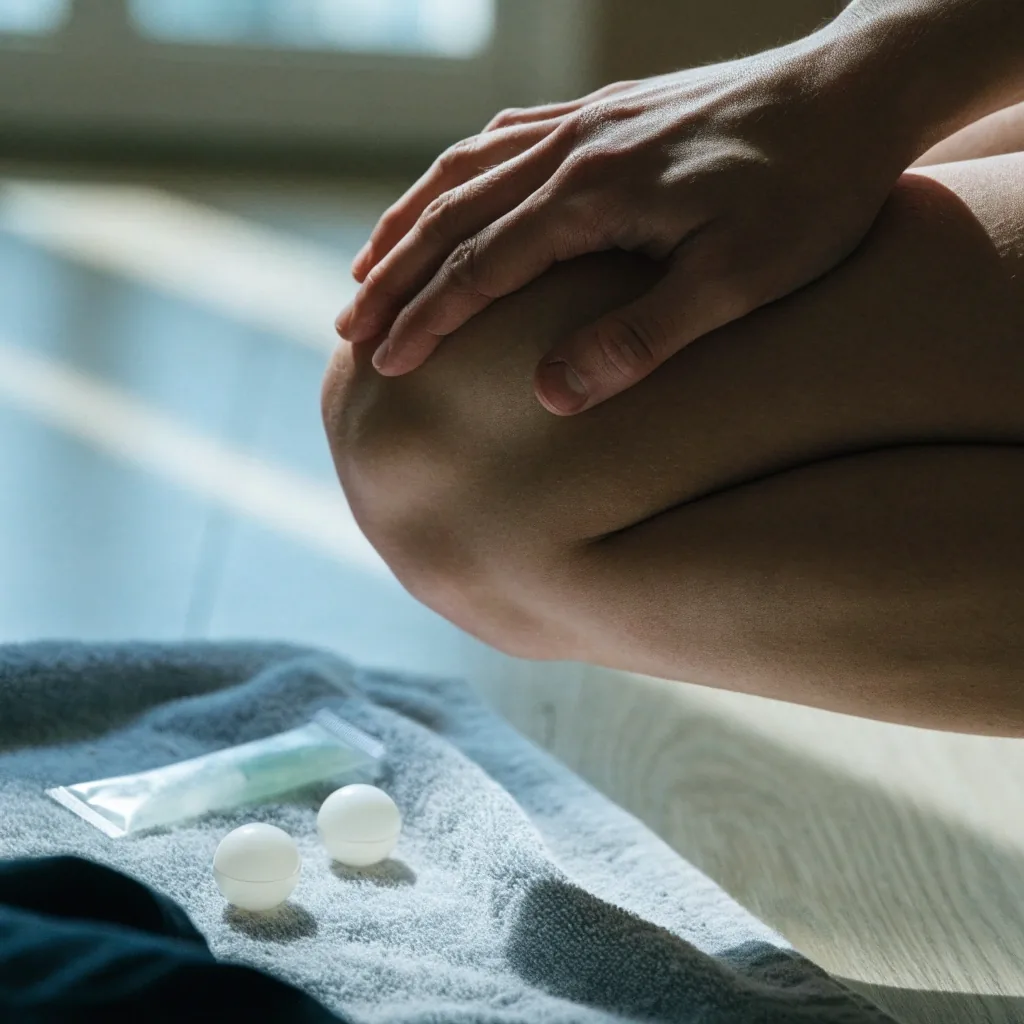
Same time daily
A fixed moment removes the decision
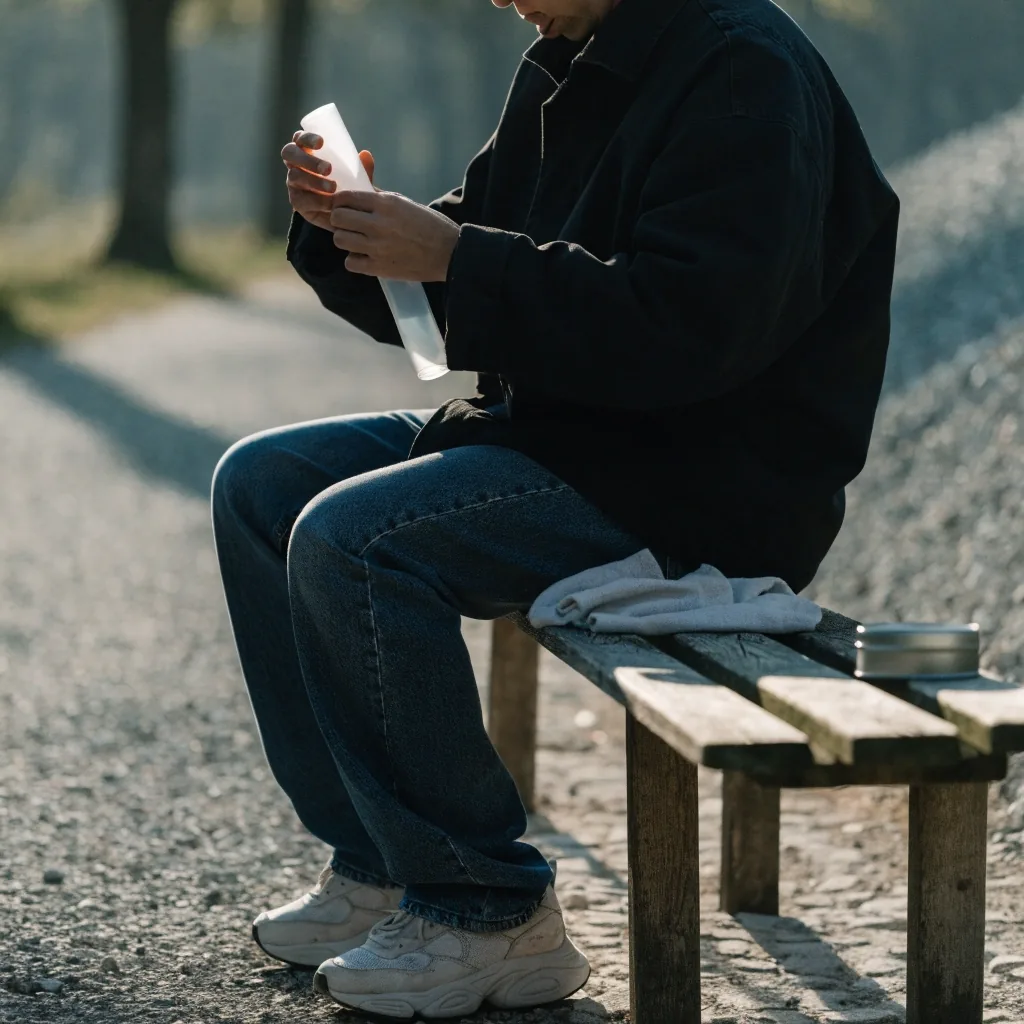
The walk itself
Support works beside the habit, not instead of it
Hold a stretch for twenty to thirty seconds and stop before it becomes painful. Mild tension is the target; a sharp sensation means back off. Two or three stretches you will actually do beat a fifteen-minute sequence you will skip, which is why restore joint mobility advice so often fails when it arrives as a programme rather than as a habit.
Calf, hamstring and hip flexor stretches cover most of what a desk-based week tightens up. Stand at a wall for the calf, sit on the floor for the hamstring, and take a low half-kneeling position for the hip flexor. Twenty seconds each, once a day, is a reasonable starting point. If a stretch consistently hurts, that is a signal to stop and speak to a professional rather than push through it.
Hold and release
Twenty to thirty seconds per stretch is enough. Breathe out as you settle into it; do not bounce, and do not chase a deeper position than the joint offers today.

Sleep and recovery
Joints recover while you rest, and a poor night shows up in how you move the next morning. A consistent bedtime, a room that is not too warm, and not doing your hardest activity right before bed all help.
This is not a dramatic intervention, and it is not a product. It is the part of mobility that gets ignored because it does not come in a bottle. If you are only going to change one thing on this page, this is a reasonable candidate.
After a long walk or a big day
Gentle movement the next morning usually clears stiffness faster than waiting for it to lift on its own.
A day of gardening, a long walk or a heavy shopping trip has a cost, and how you handle the following hours matters more than what you did during them.
Keep moving gently rather than collapsing into a chair for the evening. Drink water. Apply a balm or gel to whatever feels tired, and give it the few minutes of attention it is asking for. The next morning, start with gentle movement rather than waiting to see whether stiffness clears on its own, because it usually clears faster if you coax it.
The next 24 hours
Keep pottering rather than sitting still for hours. Water, warmth, and a balm on whatever feels tired.
Start with ankle circles and a slow walk around the house. Movement first, judgement later.
Keep it gentle for another day rather than testing it hard. Soreness that deepens with activity is a stop signal, not a challenge.
Before you self-manage
Symptoms that need a diagnosis are not a supplement question. Getting them looked at early is the faster route, not the cautious one.
If a joint is swollen, hot, locking, or painful in a way that is new or getting worse, see a GP or physiotherapist rather than working around it with supplements. Herbal products are for everyday comfort in ordinary circumstances, not for symptoms that need a diagnosis.
This site is an editorial resource and cannot assess your situation. That is a limitation worth stating plainly, because it is the one place on this page where doing nothing and waiting is genuinely the wrong move. Everything else here is a habit you can start today at no real cost; this part is different, and it is the part worth acting on quickly.
If you are unsure whether something counts as ordinary stiffness or something more, the honest answer is to ask a professional. It costs one appointment and removes the guesswork.
Give any change several weeks before judging it. Pick a date, note down how your morning stiffness and general movement felt at the start, and compare at the review point. Two things usually happen: you notice a change you would have missed without a note, or you notice nothing and can stop spending money.
Either outcome is useful, which is why the review matters more than the first week. Write the note somewhere you will actually see it — the phone, a kitchen calendar, the back of an envelope. What you are comparing is how ordinary movement feels, not how you feel on a single good or bad morning.
A simple way to keep the note
Common questions
Capsules are not a substitute for movement. They are most sensibly used alongside a routine that includes some daily activity, which is why this page puts the habits first and the products second.
For many people, yes, provided it is regular. Swimming is a good alternative on days when walking feels hard on the joints, and mixing the two across a week is a practical approach for most readers.
A cooling gel is usually used after activity, once you have cooled down. A massage balm suits afterwards as well. Either way, applying it around activity rather than at random is what makes it part of the routine.
If a joint is swollen, hot, locking, or newly and increasingly painful, speak to a GP or physiotherapist rather than self-managing with supplements. Those signs need a diagnosis, and no capsule changes that.
Keep reading
Everyday mobility is one part of the picture. If you want to know what is actually in the capsules, start with the ingredient guide. If you are weighing a gel against a balm, the topical page compares how each is normally used. And if you would rather see the options side by side before deciding anything, the comparison page sets them out in one place.
Nordic Cairn Joint Care is an editorial resource based in Manchester, written for UK readers who want plain explanations of herbal joint support without a sales pitch. If a question here is not covered, write to us and we will do our best to answer it.
Talk to us
42 Thistlewood Lane, Manchester M14 5TQ, United Kingdom
Monday to Friday, 9:00 AM – 6:00 PM